
Lock snapping is a forced-entry method that targets the cylinder in some door locks. If a vulnerable cylinder breaks, an intruder may be able to interfere with the mechanism that keeps the door locked. It is different from picking a lock or breaking a key inside it.
For UK homeowners, the useful question is whether the cylinder and surrounding hardware provide suitable protection. Many doors can be improved without replacing the whole door. This guide explains what to check, what anti-snap ratings mean and when to ask a locksmith for advice.
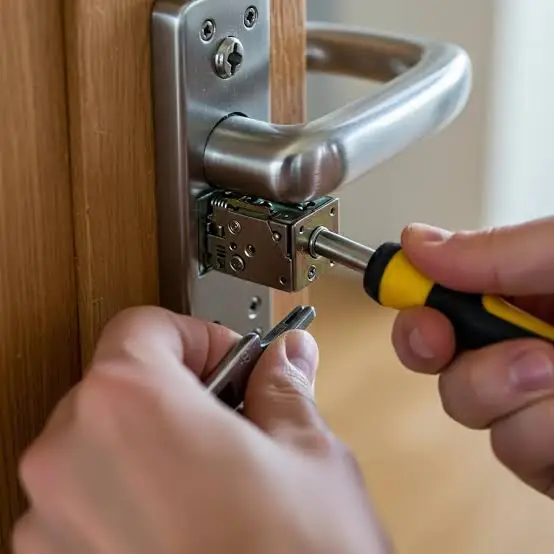
How does lock snapping work?
The cylinder is the part of a lock into which you insert your key. Turning the correct key operates a component inside the locking system. On a vulnerable euro-profile cylinder, physical force can break the cylinder body and compromise that control point.
The important distinction is between the cylinder and the rest of the lock. A door can have substantial bolts, hooks and a strong frame, yet still benefit from a better-protected cylinder. Security depends on how those parts work together, rather than how impressive the handle or door looks.
You do not need to dismantle or test your lock to understand its protection. Identifying the fitted model, checking its certification and having its installation assessed are more useful than trying to judge its strength by appearance.
Which doors can be affected?
Euro cylinders are common in uPVC and composite doors. They are also fitted to some aluminium and timber doors, including certain French and patio door systems. The relevant issue is the locking hardware, not simply the material from which the door is made.
Front, back and side doors
Check every external door that uses a cylinder. An upgraded front door does not improve an older cylinder at the back of the house. A side entrance or utility-room door deserves the same attention, especially if it is your usual way in and out.
Doors with multipoint locks
A multipoint lock secures the door at several positions along its edge. That can provide useful protection, but the cylinder still controls locking on many systems. Several locking points do not, by themselves, establish that the cylinder resists snapping.
Other lock designs have different security considerations. A traditional lever mortice lock is not the same as a euro-cylinder mortice lock. If the terminology is unfamiliar, a locksmith can identify the arrangement before recommending any changes.
What are anti-snap locks?
An anti-snap cylinder is designed to resist this form of attack. Depending on the design, protection may involve reinforcement, a controlled breakaway section or features that keep the locking mechanism protected after external damage. Different products achieve resistance in different ways.
The term “anti-snap” alone is not a complete specification. Ask for the exact model and evidence of independent certification. A product description saying “high security”, “anti-pick” or “anti-bump” does not establish its resistance to snapping, because these descriptions concern different features or attack methods.
No cylinder makes a home burglar-proof. Tested resistance is a meaningful improvement, but installation, the surrounding door hardware and everyday locking habits still matter. Our Lock Upgrades page explains how to approach improvements to existing locks.

Understanding UK anti-snap lock ratings
TS007 three-star cylinders
A TS007 three-star cylinder provides tested snap resistance within the cylinder itself. Look for the relevant star rating and independent certification, such as the BSI Kitemark. A familiar brand name or an unexplained star symbol is not enough to identify the specification.
One-star cylinder with two-star security furniture
Another recognised TS007 route combines a one-star cylinder with compatible two-star security furniture, such as protective handles or an escutcheon. A one-star cylinder alone does not provide the same snapping protection. The components must be suitable for one another and correctly fitted. The Master Locksmiths Association explains these anti-snap options.
Sold Secure SS312 Diamond
Sold Secure SS312 Diamond is a separate cylinder approval worth checking when comparing products. Verify the precise model and current listing in the Sold Secure approved cylinder database. Do not assume every cylinder sold under a particular brand has the same approval.
These ratings help you compare evidence of performance; they are not promises that entry is impossible. The Master Locksmiths Association’s anti-snap guidance also describes these options. A locksmith can explain which arrangement suits your door and existing hardware.
How can you check your existing locks?
Start with a visual check and any paperwork from the door supplier or previous installer. Look for a manufacturer name, model details, certification marks and information about the handles. Missing paperwork means the specification is uncertain; it does not automatically mean the lock is insecure.
Notice whether the cylinder projects noticeably beyond its surrounding hardware, whether the handle is loose and whether the key turns smoothly. Excessive exposure or poor fitting deserves attention. The correct cylinder length and position depend on the door, furniture and manufacturer’s installation instructions.
Avoid forcing a stiff key or treating a reluctant handle as normal. Misalignment, wear or a faulty mechanism can affect reliable locking. These symptoms do not prove an attempted break-in, but they are good reasons to arrange an inspection.
For an initial enquiry, photographs of the handle and visible lock markings can help. Avoid sharing detailed photographs of key blades. A photograph can support identification, but it cannot confirm internal condition or replace a fitting check.
Common myths about lock snapping
“My door is new, so the cylinder must be secure”
Age alone does not tell you the cylinder specification. Check the supplied documentation and exact hardware. Equally, an older door may already have a suitable upgraded cylinder, so replacement should follow an assessment rather than an assumption.
“A key that looks complicated means the lock is anti-snap”
Key shape is not a reliable guide to resistance against physical attack. A cylinder may offer useful key-control features without the snapping certification you want. Assess the product’s documented performance rather than the appearance of its keys.
“An alarm or camera makes a cylinder upgrade unnecessary”
Alarms, cameras and physical security serve different purposes. Recording an incident does not strengthen a door lock. A balanced approach considers both detection and resistance, alongside lighting, accessible windows and how the household secures the property.
Do you need a new lock or a whole new door?
Often, upgrading the cylinder is possible while retaining a serviceable multipoint mechanism and door. A locksmith should check compatibility, dimensions, handles and operation before advising on the work. There is no benefit in replacing sound components without a practical reason.
Repairing a loose handle or correcting alignment may restore reliable operation, but it does not change the security rating of a vulnerable cylinder. Conversely, fitting a better cylinder will not repair a failing gearbox or damaged frame. Those issues need their own solutions.
After an attack, a broken cylinder normally needs replacement. The surrounding furniture, mechanism and door should also be inspected for damage. The aim is to restore dependable security, rather than simply make the key turn again.
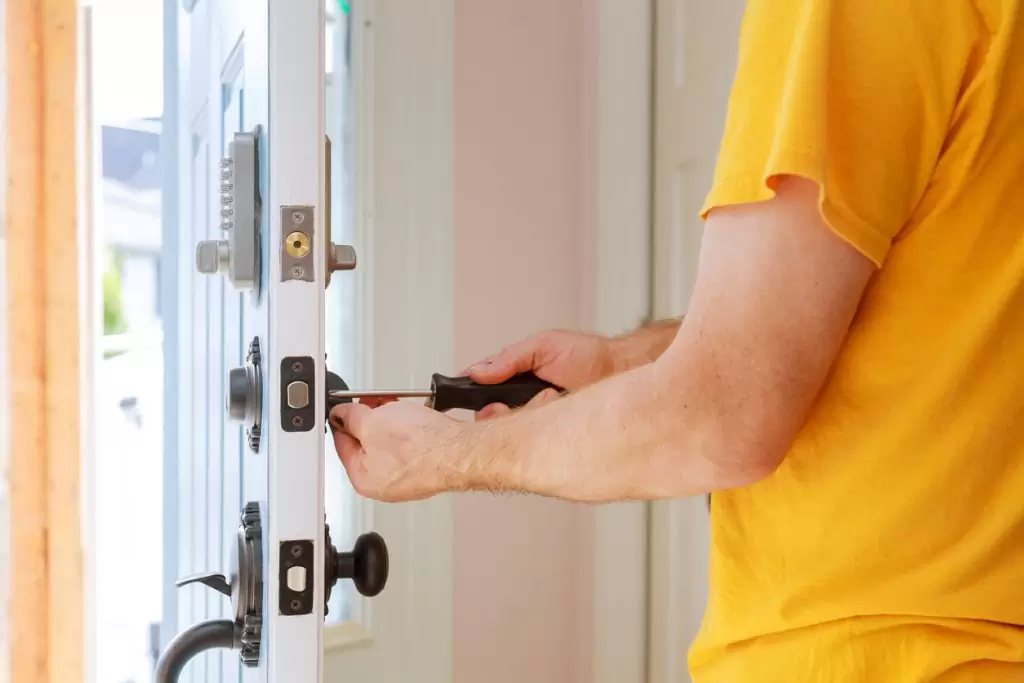
Practical steps to improve protection
Ask for a quote that identifies the proposed cylinder, its rating and the work included. Check the number of keys supplied, the cost of additional keys and any relevant warranty conditions. Comparing the same specification makes quotations easier to understand.
Choose the internal operation to suit the household as well as the door. Thumbturns and key-operated cylinders have different practical considerations. Where escape arrangements or a flat entrance fire door are involved, the replacement must remain appropriate for that installation.
Once fitted, have the operation demonstrated and follow the door manufacturer’s locking instructions. On many lift-to-lock systems, lifting the handle is only part of the process: the key or thumbturn must also be used to secure it. Other systems operate differently.
Keep track of spare keys and review accessible windows, back doors and outbuildings. If you would like help prioritising improvements, our Home Security Check can help you consider the property as a whole.
Moving house is a useful time for this review because the history of the locks and spare keys may be unclear. Even where the existing hardware is secure, consider who could still have access. Ask whether replacing the cylinder would give you control of the keys while preserving suitable door components. For a rented property, discuss proposed changes with the landlord or managing agent so access arrangements and any requirements for the door are understood before work begins.
What if you suspect an attempted break-in?
If you find fresh damage or believe someone may still be inside, stay somewhere safe and contact the police. Avoid handling damaged fittings unnecessarily, as they may contain evidence. Follow police advice before arranging work that could disturb the scene.
When it is appropriate to secure the property, our Emergency Locksmith service can help with damaged locks and doors that will not lock. Explain what has happened and whether the property is currently secure so the required work can be assessed.
Frequently asked questions about lock snapping
Are all euro cylinders vulnerable to snapping?
No. Euro cylinders vary in design and tested performance. The fitted cylinder and any protective furniture need to be assessed together. A euro-profile shape identifies the type of component, not its security rating.
Is lock snapping the same as a snapped key?
No. A snapped key leaves part of the key broken inside the lock. Lock snapping refers to breaking the cylinder itself. A broken key can result from wear or forcing a stiff lock and is not, on its own, evidence of burglary.
Does BS3621 mean my cylinder is anti-snap?
BS3621 concerns thief-resistant lock assemblies and is often discussed in relation to mortice locks. It is not interchangeable with a cylinder’s TS007 star rating or SS312 Diamond approval. Ask for the specification relevant to the actual lock fitted.
Will an anti-snap lock satisfy my insurer?
Insurance requirements vary. Check your own policy wording and ask your insurer to clarify anything unclear. A security upgrade does not automatically establish compliance with every policy, and a locksmith cannot guarantee that an insurer will accept a claim.
Can I fit an anti-snap cylinder myself?
Some replacements are straightforward, but the dimensions, orientation, compatibility and operation must be correct. If you are uncertain, professional fitting can help avoid an exposed cylinder or a door that no longer locks reliably. Keep the manufacturer’s instructions and supplied documentation.
How much does an anti-snap upgrade cost?
The total depends on the cylinder model, door condition, any replacement furniture and labour. Planned work and emergency attendance may be priced differently. Request an itemised quotation for your door rather than relying on a generic starting price.
Get advice from Stride Lock & Key
If you are unsure what protects your front or back door, contact Stride Lock & Key to discuss a lock assessment or upgrade in Horley, Reigate, Redhill, Crawley and surrounding areas. Share what you know about the existing lock and any operating problems.
For more practical guidance on protecting your home, visit our Knowledge Centre. Understanding your current hardware is a useful first step towards choosing improvements that suit your property.