
This home security checklist helps you review doors, windows, keys and outside areas in a sensible order. Work through your home, note anything that needs attention and decide what to address first. The aim is reliable everyday protection, with improvements suited to the property and the people living there.
You do not need to buy new hardware for every item. A better routine, a repaired fault or a clearer understanding of the locks may be enough. Use the boxes as visual prompts and keep your own notes; this is a practical walkthrough rather than a security certification or a guarantee against burglary.
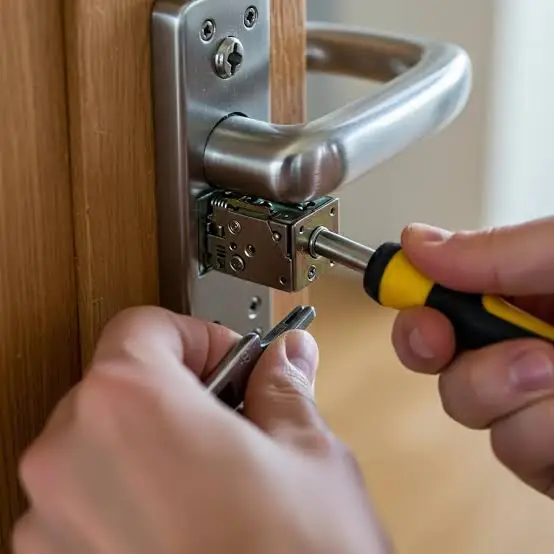
How to use this home security checklist
Start at your usual entrance, move through the ground floor, then check upstairs and outside. For each section, mark items you have checked and record anything uncertain. Look from normal, safe positions: there is no need to climb, dismantle fittings or test hardware with force.
Sort your notes into three groups: an immediate access or security problem, a planned repair, and an optional improvement. This makes the list manageable. Give an unreliable lock priority over a cosmetic change, and ask for advice where the specification is unclear.
1. Front entrance and hallway
- ☐ Check that the door closes and locks without unusual force.
- ☐ Look for loose hardware, visible damage or movement around the frame.
- ☐ Confirm that household members understand every lock and control.
- ☐ Keep keys and valuables out of sight and reach from openings.
A door that catches shut is not necessarily fully secured. Nightlatches and multipoint locks have different operating sequences. Follow the fitted model’s instructions and ask for a demonstration if you are unsure. Our Nightlatches Explained guide covers common latching and deadlocking arrangements.
If the key or handle has become reluctant, arrange an assessment rather than making extra force part of the routine. Our Sticky Door Lock article explains why the cause may be a key, maintenance issue or fitting problem.
2. Back, side and connecting doors
- ☐ Review every external entrance, including utility and conservatory doors.
- ☐ Check the door connecting an attached garage to the home.
- ☐ Confirm that each entrance can be secured using its normal operation.
- ☐ Record visible lock markings and any fault needing attention.
Do not assume that all entrances have matching hardware. A newer front door may coexist with an older back-door cylinder or a different locking arrangement. Check each separately before ordering replacements or answering questions about the property’s security.
Our Euro Cylinder Locks Explained guide helps identify common cylinder arrangements. For tested snapping protection, see Anti-Snap Locks Explained. Choose improvements around the complete door rather than replacing a visible component without an assessment.
3. Ground-floor rooms and accessible windows
- ☐ Check that accessible windows close and secure properly.
- ☐ Note damaged handles, loose fittings or unreliable locks.
- ☐ Look for outside objects that make higher windows easier to reach.
- ☐ Review what can be seen through windows from public areas.
Check the living room, kitchen, utility room and downstairs bedrooms individually. A window behind furniture can be easy to forget. Police.uk’s window-security guidance highlights access from objects such as bins, walls and garden furniture.
Do not treat a partly open window as equivalent to a closed, locked one. If you need ventilation, consider the appropriate arrangement for the window and household. Preserve required escape functions and do not add unfamiliar locks or restrictors without checking suitability.
4. Upstairs bedrooms and other rooms
- ☐ Include windows above flat roofs, extensions and other reachable areas.
- ☐ Check balcony doors and any secondary external access.
- ☐ Keep valuable items and personal documents away from obvious display.
- ☐ Make sure security changes do not obstruct necessary escape routes.
Upstairs does not always mean inaccessible. Review the outside layout from ground level and note any area that needs closer professional attention. Inside, assess rooms used less often as well as bedrooms, especially after visitors or decorating work.
Think about how the household would leave in an emergency. A security change should suit the building and its occupants. Flat entrance doors, fire doors and shared routes need particular care; involve a competent person and the landlord or managing agent where appropriate.
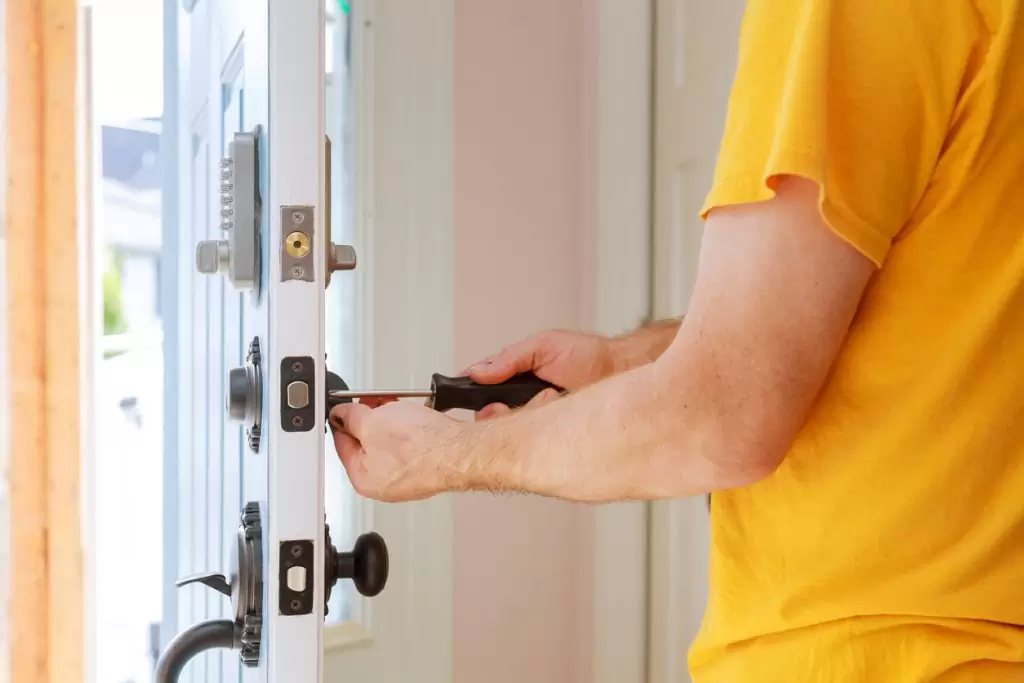
5. Keys and access arrangements
- ☐ Know which regular keyholders still need access.
- ☐ Store spare keys securely, rather than hiding them near an entrance.
- ☐ Keep key cards and ordering codes separately from the keyring.
- ☐ Review access after moving home, lost keys or a change of occupants.
Ask yourself who could have a copy of each important key. Contractors, carers and former occupants may have been given access at different times. A list of current keyholders helps identify uncertainty without assuming anyone has acted improperly.
If a key is missing, discuss whether the affected lock or keying arrangement should change. Keep everyday keys in a secure place that occupants can locate promptly when needed, while preventing access from outside. Do not publicly share close-up images of key blades or security codes.
6. Garden, gates, sheds and garages
- ☐ Check gate latches, locks and damaged boundary sections.
- ☐ Put tools and ladders away securely after use.
- ☐ Inspect shed and garage doors, fittings and accessible windows.
- ☐ Consider suitable additional security for valuable items stored outside.
Police.uk’s garden-security guidance recommends securing sheds and keeping tools from being left around. Review the surrounding structure as well as a padlock: a strong lock depends on suitable fixing points and sound materials.
Note overgrown areas that hide entrances or make inspection difficult, and arrange ordinary maintenance where needed. Consider access for household members and visitors when planning changes. Avoid creating hazards or blocking a route that people need to use safely.
7. Lighting, alarms and cameras
- ☐ Check that existing entrance lighting works and is appropriately aimed.
- ☐ Test alarms using their own instructions and arrange required servicing.
- ☐ Confirm that relevant users know how to operate the system.
- ☐ Review camera views and account access if cameras are already installed.
Consider what each device is intended to do. A light helps visibility; an alarm detects specified events; a camera may provide footage. None repairs a damaged door or replaces the need to lock it. Choose additional equipment only after identifying the problem it should address.
For connected equipment, follow the manufacturer’s guidance on updates and account security, and remove access that is no longer needed. If considering cameras, plan their positioning with privacy in mind and check the requirements relevant to the proposed installation before fitting.
8. Valuables, records and insurance information
- ☐ Keep valuable items away from obvious display near entrances.
- ☐ Store an inventory and useful identifying details securely.
- ☐ Review policy wording, schedules and any security conditions.
- ☐ Keep invoices and specifications for installed locks and other equipment.
A record of important possessions and installed hardware can make later enquiries easier. Store sensitive information appropriately, rather than leaving a list of valuables beside the front door. Review it when equipment changes or a substantial item is acquired.
Insurance requirements vary. If your policy asks for a particular lock type, establish what is actually fitted and ask the insurer about uncertainty. Our BS3621 Explained guide explains a standard you may encounter. Do not infer compliance from a familiar brand or key shape.
9. Your leaving-home routine
- ☐ Close and secure doors and windows as required.
- ☐ Use the fitted locks according to their instructions.
- ☐ Set the alarm where applicable and check outside storage.
- ☐ Make sure important items are not left visibly beside openings.
A repeatable route through the home makes omissions easier to avoid. Police.uk’s leaving-home checklist recommends developing an exit routine. Adapt yours to the property rather than relying on a hurried check of the front door alone.
Agree who completes the check when several people leave together. If someone remains at home, preserve appropriate access and escape arrangements. A routine should be easy to follow consistently and should change when the household or hardware changes.
10. Before a longer absence
- ☐ Arrange necessary deliveries and collections so items do not accumulate.
- ☐ Consider a trusted contact who can respond to a problem.
- ☐ Check insurance conditions relevant to an unoccupied home.
- ☐ Review what information you share publicly about being away.
Leave your trusted contact with clear instructions and an agreed way to reach you. If they need keys or alarm access, confirm that these work before departure. Avoid introducing an unfamiliar lock or complicated routine immediately before leaving without testing normal operation.
After returning, follow up on any reported fault rather than setting it aside until the next trip. If temporary access was provided, review whether it is still needed. Keep the arrangement proportionate to the length of the absence and the needs of your home.
Turn your checklist into a practical plan
Start with doors or windows that cannot be secured reliably. Our Lock Repairs service can help assess faults, while Lock Upgrades covers improvements where the existing specification warrants a change. Ask what each proposed job will achieve and which items can wait.
For an immediate lockout or inability to secure the property, use our Emergency Locksmith service to discuss urgent help. If you suspect a crime in progress or someone is in immediate danger, contact the police or emergency services as appropriate.
For a planned review, our Home Security Check can help you prioritise the findings. Keep a simple note of the issue, agreed action and completion date. You do not need a numerical score to distinguish a broken lock from an optional upgrade.
Home security checklist FAQs
How often should I review home security?
Use a short routine whenever you leave and revisit the wider checklist after a move, a lost key, building work or a change in household access. Follow the specific maintenance intervals for installed equipment rather than applying one interval to everything.
Do I need to replace all my locks?
No. Suitable, serviceable hardware may remain. Replacement should address a reason such as damage, uncertain access or an inadequate specification. Ask for an assessment before assuming every lock needs changing.
Should I buy cameras before improving the locks?
Address unreliable physical security first. Cameras serve a different purpose and cannot make a damaged lock secure. A review can help decide whether additional equipment offers a useful benefit for your particular property.
Can tenants use this checklist?
Yes. Everyday checks and reporting faults are useful in rented homes too. Discuss proposed alterations with the landlord or managing agent, particularly where shared access, fire doors or building systems are involved.
Does completing the checklist mean my home is secure?
It helps identify issues but is not certification or a guarantee against burglary. Some problems require professional assessment. Record uncertainty honestly rather than marking an unfamiliar component as satisfactory.
Will improvements reduce my insurance premium?
Not automatically. Ask your insurer about its requirements and any effect on cover or price. Keep documentation for work completed and ensure that information supplied about the property remains accurate.
Get help reviewing your home security
Stride Lock & Key helps homeowners in Horley, Reigate, Redhill, Crawley and surrounding areas discuss door security and suitable repairs or upgrades. Contact us with the findings from your walkthrough, or visit our Knowledge Centre for more practical guidance.