
A sticky door lock still works, but the key, latch or handle feels stiff, catches or needs more effort than usual. It can be tempting to keep using it until it fails. Investigating the change early gives you a better chance of arranging a planned repair before access or security becomes urgent.
The right response depends on where the resistance occurs. Maintenance may help some components, while wear, alignment or a mechanism fault needs a different solution. This guide explains useful observations, sensible care and why there is no single lubricant that should be recommended for every lock.
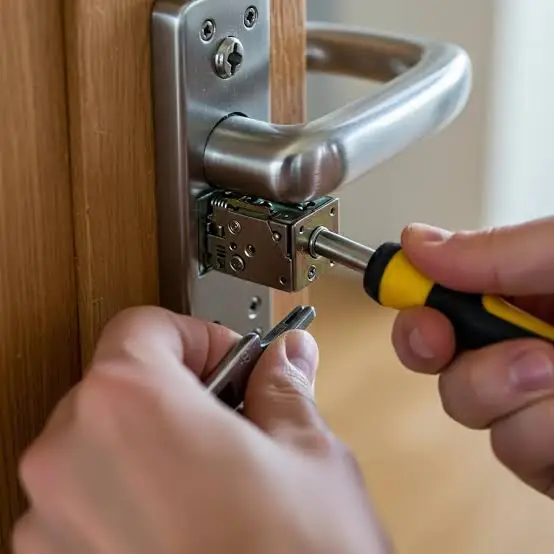
What does a sticky door lock feel like?
You might notice the key catching during insertion, a rough turning action or difficulty withdrawing it after use. Alternatively, the key may move normally while the handle or latch feels reluctant. These are different symptoms, even though they are often described with the same phrase.
Think about which part of the sequence has changed. Does the problem happen before the key is fully inserted, during rotation, when moving the handle or when closing the door? Describing the stage helps a locksmith decide what needs checking.
This article concerns hardware that still operates. If the key has stopped turning altogether, read Why Won’t My Key Turn in the Lock?. If the door stays shut after unlocking, our Why Won’t My Door Open? guide covers that more developed access problem.
Common causes of a sticky door lock
A worn or damaged key
A bent, cracked or worn key can operate inconsistently. Sometimes one household key behaves differently from the others. If the keyway is clear and you have a known-good spare, a gentle comparison can provide useful information. Stop if either key meets resistance.
Do not keep using a damaged key because it eventually works after several attempts. Keep it separate and arrange a suitable replacement. If a spare also feels rough, mention that rather than assuming the problem is limited to the original key.
Residue or unsuitable previous maintenance
Some care products can leave deposits or be unsuitable for a particular cylinder. Adding more of a different product may complicate matters. If the lock has been treated previously, note what was used and when, especially if the stiffness appeared afterwards.
Wear or a fault in the mechanism
Moving components can wear, and a developing fault may first appear as intermittent catching. Smooth operation after one successful turn does not establish that everything is sound. A recurring symptom deserves attention even if the door still locks today.
Pressure from the door and frame
A door that does not meet its frame correctly can put pressure on the locking components. You may notice scraping, harder closing or resistance when lifting the handle. The cylinder can feel involved even when the underlying issue is elsewhere.
Our Why Is My uPVC Door Hard to Lock? guide explains related alignment and multipoint-lock symptoms. Spraying the keyhole will not correct the relationship between hooks, bolts and their frame keeps.
Start with observation, not dismantling
Check the visible condition of the key and note when the stiffness occurs. Look for loose surface debris around the door and threshold without inserting anything into the keyway. Use the handle or designated pull to move the door instead of pulling on the key.
Record whether the change was sudden or gradual, whether it affects every key and whether it follows particular weather or recent work. These details can make an initial enquiry more useful than a general description that the lock needs oiling.
Do not remove the cylinder or lock case simply to investigate. If the hardware is under warranty, check the original installer’s advice before alterations. On a flat entrance or fire door, any work must also preserve the door’s required function and suitable escape arrangements.

What lubricant should you use for a sticky door lock?
Use the maintenance instructions for the exact lock or cylinder. Manufacturer recommendations differ, and the keyed cylinder may need different treatment from the other moving parts of the door. A product being sold as a lubricant does not make it suitable for every mechanism.
Why manufacturer guidance matters
For example, ABUS recommends a grease-free care spray for its door cylinders and cautions against conventional oils. Its guidance should not be replaced by a generic instruction to add household oil.
By contrast, ERA’s care sheet for a specific cylinder range specifies a non-acidic oil and warns against certain other products. These examples show why identifying the hardware comes before choosing what to apply.
Do not assume graphite is always suitable
Graphite is often mentioned in general lock advice, but it is not universally recommended. ABUS’s cylinder maintenance guidance, for instance, warns against oil- or graphite-containing products. Follow the instructions for your model rather than combining tips intended for different hardware.
If you cannot identify the lock
Look for visible manufacturer markings or installation paperwork and ask a locksmith to help identify the component. Avoid adding a product while you are uncertain. If you have already applied one, explain what it was so the next step accounts for the existing condition.
Even a suitable lubricant is maintenance, not a repair for broken parts, an unsuitable key or door misalignment. Follow the specified amount and application method. Repeatedly treating a lock that quickly becomes stiff again is a reason to investigate the cause.
Is the problem in the cylinder, latch or handle?
Key insertion, turning and withdrawal
These symptoms may involve the key or cylinder, but rotation can also be affected by the connected mechanism. Our Euro Cylinder Locks Explained article describes the distinction between the keyed component and the rest of the locking system.
A reluctant handle or latch
If the key feels normal but the handle or latch catches, the problem may involve other components or their fitting. Loose furniture, a mechanism fault and pressure at the frame can produce overlapping symptoms. The symptom should be assessed before a replacement part is chosen.
The arrangement also matters. A mortice sashlock, nightlatch and multipoint door do not have identical operating sequences. Describe the hardware in ordinary terms and use visible markings to support identification rather than assuming every stiff lock has the same cause.
Does it matter whether the door is open or closed?
A repairer may compare operation in both positions to assess loading and alignment. If you already know that normal use feels different, report it. Easier operation away from the frame can be useful evidence, but it does not establish a diagnosis by itself.
Some mechanisms have triggers or interlocks that affect open-door operation. Do not defeat these or force an unfamiliar test. Never close the door against extended hooks or bolts. Let the installer make any comparison needed to check the whole system safely.
When should a sticky door lock be repaired?
Arrange an assessment if the resistance is recurring, getting worse or changing suddenly. Also seek advice if the key begins bending, the handle develops unusual free movement or the lock no longer secures consistently. You do not need to wait for complete failure before booking help.
Our Lock Repairs service can help establish whether appropriate maintenance, adjustment or replacement is needed. Explain what still works as well as what catches. A planned visit may be possible while normal access and security remain dependable.
If you cannot secure the property or use an essential exit, treat the problem as urgent. Our Emergency Locksmith service can assess urgent lock problems. Where someone is in immediate danger, contact the emergency services rather than waiting for routine attendance.
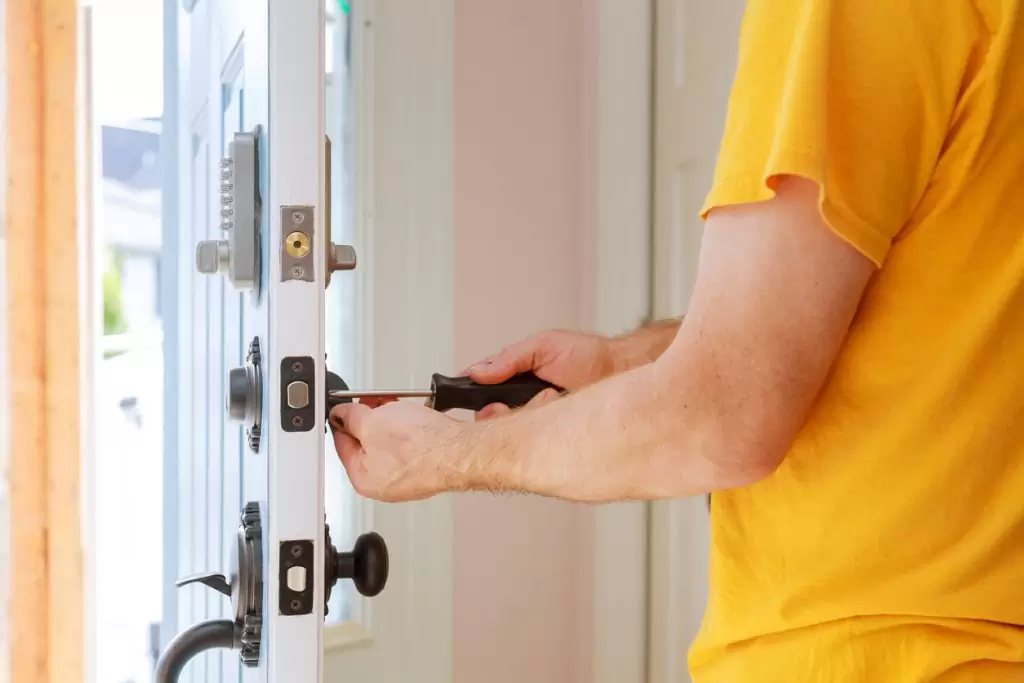
Repair or replacement: what should you expect?
The repair should address the cause. A key problem may need a correctly supplied key; an alignment problem may need fitting work. A damaged component may require replacement. There is no reason to assume that the whole door needs changing because the lock feels stiff.
Ask for a description of the proposed work, compatible parts and total price. Confirm whether the quotation includes any door adjustment and how further work would be agreed after inspection. Mention any maintenance products or attempted adjustments already used.
A security upgrade is a separate decision from restoring smooth operation. Our Lock Upgrades service can help where a better specification is appropriate. A stronger cylinder will not, on its own, correct a latch that is binding against the frame.
After the work, ask for a demonstration and try the keys you normally use. Keep the model details, invoice and maintenance instructions. If an intermittent fault has not appeared during the visit, explain the circumstances in which it usually happens rather than assuming it has disappeared.
Everyday care that supports reliable operation
Use a sound key and follow the intended locking sequence. Do not add leverage, use the key as a handle or keep forcing a reluctant turn. Report new scraping or closing pressure, as changes elsewhere in the door can affect the lock.
Keep routine care matched to the manufacturer’s instructions, including its recommended interval and product. Avoid treating several different locks identically just because they are on the same property. Keep any supplied key card or ordering information safely with your records.
If other doors or windows also need attention, a Home Security Check can help prioritise the work. Reliable operation and appropriate security should be considered together, rather than simply making one stiff component feel easier temporarily.
Frequently asked questions about a sticky door lock
Can I use WD-40 on my lock?
Check the exact product and your lock manufacturer’s guidance first. WD-40 is a brand covering different products, so the name alone is not a specification. Some lock instructions explicitly exclude water-displacement sprays; do not assume a spray is suitable for your cylinder.
Should I put graphite into the keyhole?
Only if the manufacturer recommends it for the particular lock. It is not a universal remedy, and some cylinder makers advise against it. If an unknown product is already inside, ask before adding another.
Why does only one key feel sticky?
That key may be damaged, worn or otherwise unsuitable. Stop relying on it and seek a correctly supplied replacement. If other keys are also becoming difficult, the lock or door may need checking as well.
Does temporary improvement mean the problem is fixed?
Not necessarily. A recurring symptom can indicate unresolved wear or alignment. Note how long the improvement lasts and arrange an assessment if stiffness returns. Do not repeatedly increase the amount of lubricant to compensate.
Can a sticky lock lead to a broken key?
Applying extra force to a reluctant key can damage it. Stop rather than using tools for leverage. If a break occurs, our Broken Key in a Lock guide explains what to do next.
Do I need a new lock if it still works?
Not automatically. Suitable maintenance or a repair may be enough, depending on the cause and condition. Ask what has been found and why replacement is recommended before deciding on new hardware.
Get advice on a sticky door lock
Stride Lock & Key can help homeowners in Horley, Reigate, Redhill, Crawley and surrounding areas assess stiff or catching locks. Contact us with the symptoms and visible model details, or browse our Knowledge Centre for more practical guidance.