
If your uPVC door is hard to lock, the cause may be misalignment, pressure against the frame, a worn key or cylinder, or a fault in the locking mechanism. A stiff handle does not automatically mean you need a new door, and replacing the cylinder will not solve every locking problem.
The useful first step is to notice where the resistance occurs: closing the door, lifting the handle or turning the key. This guide explains what those symptoms may indicate, which simple observations can help and when to arrange a repair. Stop if normal operation requires force.
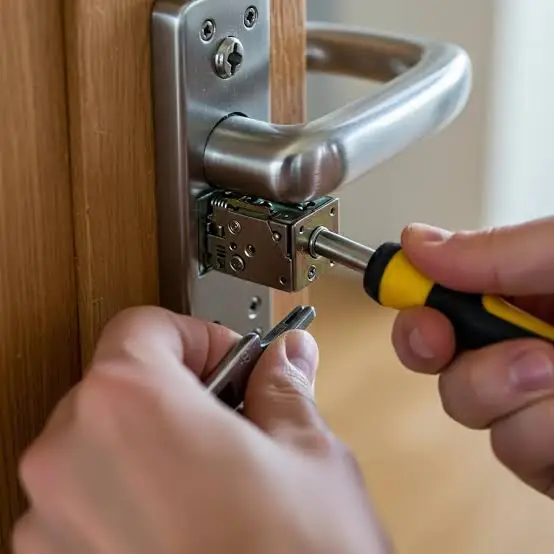
How a typical uPVC door lock works
Many uPVC entrance doors have a multipoint locking system. A central mechanism operates locking points along the door edge, which engage with keeps on the frame. The handle, cylinder, mechanism and door alignment all contribute to reliable operation.
On many lift-to-lock systems, lifting the handle engages the locking points and turning the key secures the mechanism. Other systems operate differently, including automatic designs. ERA’s multipoint-lock range illustrates the combination of hooks, rollers and bolts used in these systems.
If the handle cannot complete its normal movement, the key may also refuse to turn. That does not prove the cylinder is faulty. Understanding the sequence helps you explain the problem without assuming which component needs replacement.
Common reasons a uPVC door is hard to lock
The door and frame are not aligned correctly
The locking points need to meet their frame keeps accurately. If the door has moved or dropped, the mechanism can meet resistance as you lift the handle. Scraping, uneven gaps or needing to push the door firmly may accompany the problem.
Hinges, the way the door is supported and the position of the keeps can all be relevant. The cause should be assessed before adjustment. Moving whichever screw is easiest to reach may change another part of the fit without resolving the underlying issue.
Temperature changes affect the fit
Hot or cold weather can affect how a uPVC door and frame fit together. Anglian’s door troubleshooting guidance identifies expansion and contraction as possible causes of closing difficulties. Notice whether the problem follows direct sunshine or particular weather conditions.
Weather may explain a pattern, but it should not become a reason to tolerate a door that regularly fails to secure. Tell the repairer when it happens. Repeated seasonal problems may need the installation checked, rather than simply waiting for a cooler evening.
An obstruction or seal is affecting closing
A trapped doormat, loose debris or a displaced seal can prevent the door sitting normally. Look for something visible before assuming an internal fault. Excessive closing pressure can also make the locking sequence feel difficult even when the cylinder itself is serviceable.
The key or cylinder is worn or damaged
A bent, damaged or poorly functioning key may be difficult to insert or turn. Wear or a fault in the cylinder can produce similar symptoms. Our Euro Cylinder Locks Explained article describes the keyed component and how it differs from the connected mechanism.
Handles or the central mechanism have a fault
A loose or drooping handle, unusual free movement or a sudden change in operation can involve the furniture or mechanism. The central gearbox transfers movement through the locking system. A fault there can affect more than one locking point.
These signs are clues, not a diagnosis. A locksmith should inspect the arrangement before ordering parts. Our Lock Repairs service can help distinguish a fitting problem from worn or broken hardware.
What the symptoms may tell you
The handle becomes stiff as the door closes
If normal operation is easier before the door meets the frame, pressure or alignment deserves attention. The locking points may be meeting resistance at the keeps. This observation does not rule out wear, but it is useful information to give the repairer.
The key will not turn after lifting the handle
The mechanism may not have reached the position needed for locking, or the cylinder or key may have a problem. Explain whether the handle completes its usual movement and whether the key inserts normally. Do not use extra leverage to make it turn.
The handle suddenly moves without doing its usual job
A change such as excessive free movement or failure to move the locking points warrants an assessment. Avoid cycling the handle repeatedly to see whether it catches again. Explain whether the door is open, closed, locked or currently unsecured.
Simple checks you can make without dismantling the lock
Start with the visible surroundings. Check for a trapped mat or loose surface debris around the threshold. Remove an obvious loose obstruction if it is easy to reach, keeping fingers away from closing edges. Do not pull out seals or insert tools into the mechanism.
Inspect the key for obvious damage. If you have a known-good spare, trying it gently can help show whether the symptom is specific to one key. Stop at resistance; a second key is a comparison, not a way to force a reluctant lock.
Note whether the problem affects closing, the handle or the final key turn, and whether it started suddenly. Photographs of visible brand markings and the door edge can help an initial enquiry. Avoid sharing detailed images of key blades or security codes.

Should you test the lock with the door open?
A repairer may compare operation with the door open and closed to investigate pressure or alignment. However, not every mechanism operates normally while open. Some have an interlock or trigger associated with the closed position, so a refusal to operate is not automatically evidence of failure.
If you already know from ordinary use that operation differs, report that observation. Do not defeat a trigger or force the mechanism to perform an unfamiliar test. Follow the manufacturer’s instructions or let the locksmith make the comparison safely.
Never close the door against extended hooks or bolts. If the door is open and you are unsure whether everything is retracted, stop and obtain advice. If it is closed and already difficult to open, repeated testing may leave you with a more urgent access problem.
What to avoid when the lock feels stiff
Do not lift your body weight on the handle, use pliers on the key or slam the door to make it engage. Extra force can damage components and turn intermittent resistance into a failure. A change in how much effort is needed is worth investigating early.
Avoid adjusting hinges, keeps or locking points at random. Their positions affect the whole installation. A change that makes the handle feel easier can still leave poor engagement, so the aim is correct operation and security together.
Do not file down hardware, remove locking points or buy a replacement cylinder simply because it is the most visible component. The repair needs to address the cause. On a door still under warranty, contact the original installer before arranging alterations that could affect it.
Will lubricant fix a stiff uPVC door lock?
Maintenance can help appropriate moving parts, but lubricant does not correct misalignment or repair a broken gearbox. The cylinder and multipoint mechanism may have different care requirements. Follow the instructions for the actual components rather than treating every lock with the same spray.
ERA’s replacement multipoint-lock information, for example, specifies maintenance for that product and notes that adjustment may be needed. Such guidance is product-specific. If you cannot identify the hardware, ask before applying a lubricant or mixing products.
Does the whole door need replacing?
Not necessarily. Depending on the assessment, a repair could involve alignment, handle furniture, a cylinder, the central gearbox or a locking mechanism. A serviceable door may be retained. Significant damage or unsuitable surrounding components can require a wider solution.
Ask what has caused the fault and what the proposed work will change. If a gearbox or mechanism is recommended, the replacement needs to match the installation. Similar-looking parts are not automatically interchangeable, and some arrangements require more extensive replacement than others.
A security upgrade is a separate decision from fixing the fault. Our Lock Upgrades service can help where better protection is appropriate, and Anti-Snap Locks Explained covers cylinder options. A better-rated cylinder alone will not make a misaligned door close properly.
When should you call a locksmith?
Arrange help if resistance is recurring, the handle has changed suddenly or the door no longer secures reliably. If you cannot lock the property or cannot open an essential exit, treat the problem as urgent. Our Emergency Locksmith service can help assess urgent lock problems.
Before booking, explain whether you are inside or outside, whether the door opens and whether it can currently be secured. Include any unusual sounds, weather pattern or recent work. These details help distinguish an accessible repair from a job involving a jammed closed door.
Request a clear description of the proposed work and total charges. Confirm what happens if inspection reveals additional damage. After repair, ask for a demonstration of closing, handle movement and locking, and report any remaining resistance before assuming it is normal.
Frequently asked questions about stiff uPVC door locks
Why does my door lock in the morning but not in the afternoon?
Temperature and direct sun may be affecting the fit. Record the pattern and arrange an assessment if it repeats. Weather-related movement is one possible explanation, not proof that the mechanism or installation needs no attention.
Does a stiff handle mean the gearbox is broken?
No. Pressure from alignment or other components can also cause stiffness. A gearbox fault is one possibility among several. Describe the symptoms and let the inspection establish which component, if any, needs replacement.
Can I keep pushing the door while I lock it?
If pushing or lifting has become necessary, arrange a check rather than treating it as the permanent locking method. Repeated extra pressure can conceal an alignment problem and place strain on the hardware.
Will changing the key cylinder solve the problem?
Only if the cylinder is the relevant cause and the replacement is suitable. A cylinder change will not resolve resistance at the frame keeps or repair a failing locking strip. The diagnosis should come before the parts order.
Is lifting the handle enough to secure the door?
On many lift-to-lock systems, you must also turn the key or thumbturn. Other designs operate differently. Follow your door’s instructions and ask for a demonstration; the handle position alone does not establish that it is fully locked.
How much will a repair cost?
The price depends on the fault, access, required parts and attendance arrangements. An adjustment and a mechanism replacement are different jobs. Request an itemised quotation based on your door rather than relying on a generic starting price.
Get help with a uPVC door that is hard to lock
Stride Lock & Key can help homeowners in Horley, Reigate, Redhill, Crawley and surrounding areas assess locking problems and discuss suitable repairs. Contact us with your symptoms, consider a Home Security Check for a wider review, or browse our Knowledge Centre for more practical guidance.