
Anti-snap locks can improve the protection of a door that uses a vulnerable euro cylinder. Choosing an upgrade involves more than finding a product with “high security” on the packaging. You need a suitable, independently tested cylinder, compatible hardware and correct installation.
This guide helps UK homeowners compare the options, understand quotations and decide what their door actually needs. If you would like an introduction to the attack itself, read What Is Lock Snapping?. Here, the focus is on selecting and living with an upgrade.

What are anti-snap locks?
In this context, “anti-snap lock” usually means a euro-profile cylinder designed to resist snapping attacks. The cylinder is the component your key enters. It works with the lock mechanism inside the door, so changing the cylinder does not necessarily mean replacing every part of the locking system.
Protective designs vary. Some incorporate reinforcement, controlled breakaway sections or mechanisms intended to preserve security after external damage. The useful comparison is the product’s verified performance and suitability for your installation, rather than how many features appear in an advert.
A stronger cylinder also has limits. It cannot repair a damaged frame, correct a badly aligned door or secure an unlocked entrance. Treat it as one part of a practical home-security review, alongside the condition and operation of the rest of the door.
Which security ratings should you look for?
TS007 three-star cylinders
A TS007 three-star cylinder is tested for resistance to snapping within the cylinder itself. Check the exact model, its star rating and independent certification, such as the BSI Kitemark. A generic claim that a lock is “British Standard” does not identify its snapping performance.
One-star cylinders with two-star security furniture
A compatible TS007 one-star cylinder and two-star protective furniture provide another recognised route. The furniture may be security handles or a protective escutcheon. A one-star cylinder alone does not establish snap resistance. The Master Locksmiths Association explains these anti-snap options.
Sold Secure SS312 Diamond approval
SS312 Diamond is a separate Sold Secure approval for lock cylinders. Check the exact product in the official Sold Secure cylinder database, including its grade and listed model. Certification for one product does not automatically cover every cylinder made by that manufacturer.
Ask the installer to identify the certification on the quotation or product documentation. You should be able to tell what is being supplied and keep a record for future maintenance. No rating is a guarantee that a door or home is impossible to enter.
Will an anti-snap cylinder fit your door?
Euro cylinders are found in many uPVC and composite doors, plus some timber and aluminium doors. However, door material alone does not tell you which replacement is suitable. The existing lock, handle arrangement and required cylinder dimensions all need checking.
Cylinder length and orientation
A replacement must suit the thickness of the door and its surrounding furniture. The inside and outside dimensions may differ. Some products also have a designated external end. A cylinder that is poorly sized or fitted the wrong way round may not provide the intended protection.
Avoid ordering from a rough estimate or choosing a longer cylinder simply because it is available. Ask the installer to check the manufacturer’s fitting requirements and the finished position relative to the handles or escutcheon. Security depends on the completed installation.
Handles, mechanisms and door condition
Existing handles can sometimes remain, but damaged, loose or incompatible furniture needs attention. The locksmith should also check that the door closes and locks properly. Stiff operation may come from alignment or mechanism problems that a new cylinder will not resolve.
Our Lock Upgrades service can help you assess the current arrangement and identify a suitable improvement. The starting point should be what is fitted and how it works, rather than assuming the entire door needs replacement.
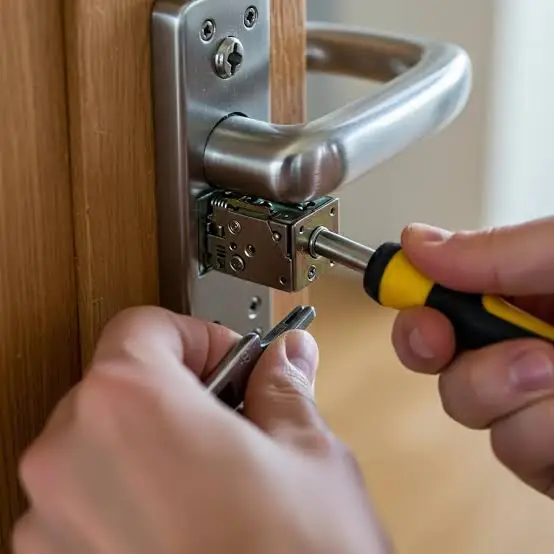
Thumbturn or key on the inside?
A thumbturn cylinder allows the lock to be operated from inside without inserting a key. A double-key cylinder uses a key on both sides. The right choice depends on the door, household needs and any applicable escape or building requirements.
Discuss who uses the door, whether anyone has difficulty handling keys and how occupants would leave in an emergency. Also consider the relationship between the internal control and nearby glazing or openings. These practical details matter as much as the external security rating.
For flat entrance doors and other fire doors, ask someone competent to confirm the replacement is suitable for the door assembly and its escape arrangements. Do not select hardware purely because it looks similar to the old component. Tenants should involve the landlord or managing agent where necessary.
Do you need new keys for every door?
Separate keys
Separate cylinders usually come with separate keys unless another arrangement is specified. This can be useful where different people need access to different entrances. Before ordering, work out how many household members and trusted keyholders need a copy.
Keyed-alike cylinders
Some compatible cylinders can be supplied so that one key operates several doors. This reduces the number of keys you carry, but a lost key may then affect several entrances. Ask whether the required sizes and cylinder types are available within the same system.
Restricted key copying
Certain systems use controlled key-ordering arrangements or a security card. These are separate from snap resistance. Ask who can supply duplicates, what authorisation is needed and how much replacements cost. Keep any card or key code securely, rather than on the keyring.
Do not assume that every anti-snap cylinder includes restricted copying or can be matched to your existing keys. Confirm those features before fitting, especially if convenience across several doors is one of your reasons for upgrading.
What should an anti-snap lock quotation include?
A useful quotation identifies the work and the product clearly. Ask for the cylinder make and model, security approval, number of keys, labour charge and any additional handles or repairs. Confirm the total payable, including VAT where applicable and any attendance charge.
Explain whether the door currently opens and locks. A planned upgrade on a working door is a different job from gaining access through a failed lock or repairing attack damage. Accurate information helps the locksmith explain what is included and what may require inspection.
If two quotations differ, compare the actual specification. One may include new protective furniture or extra keys while another covers the cylinder alone. Ask about product and workmanship guarantees, and whether any manufacturer registration or maintenance conditions apply.
There is no single price that suits every installation. Door condition, cylinder size, chosen model and the timing of the visit can all affect the total. An itemised quote is more useful than an attractive starting price without a clear description of the work.
Before booking, make a short list of your priorities. You might want fewer keys to carry, easier operation for a family member or a documented improvement to an older door. Tell the locksmith which matters most and mention any budget limit. This gives the discussion a clear starting point and helps you understand the trade-offs between suitable options, rather than choosing solely by price or the best-known brand.
When should you upgrade, repair or retain a lock?
Upgrade when protection is inadequate
An upgrade is worth considering when the existing cylinder lacks suitable protection or its specification cannot be established after inspection. Moving house can also be a useful opportunity to review both security and who may still possess keys.
Repair a separate operating fault
A secure cylinder can be fitted to a door with a loose handle or alignment problem. Those faults may need repair rather than a different cylinder. Explain symptoms such as scraping, stiffness or intermittent locking so the cause can be investigated.
Keep suitable hardware where it makes sense
If the cylinder already has appropriate certification, fits correctly and works reliably, replacing it with a comparable model may offer little security benefit. A lost key or change in access arrangements can still justify replacement, even when the hardware itself remains serviceable.
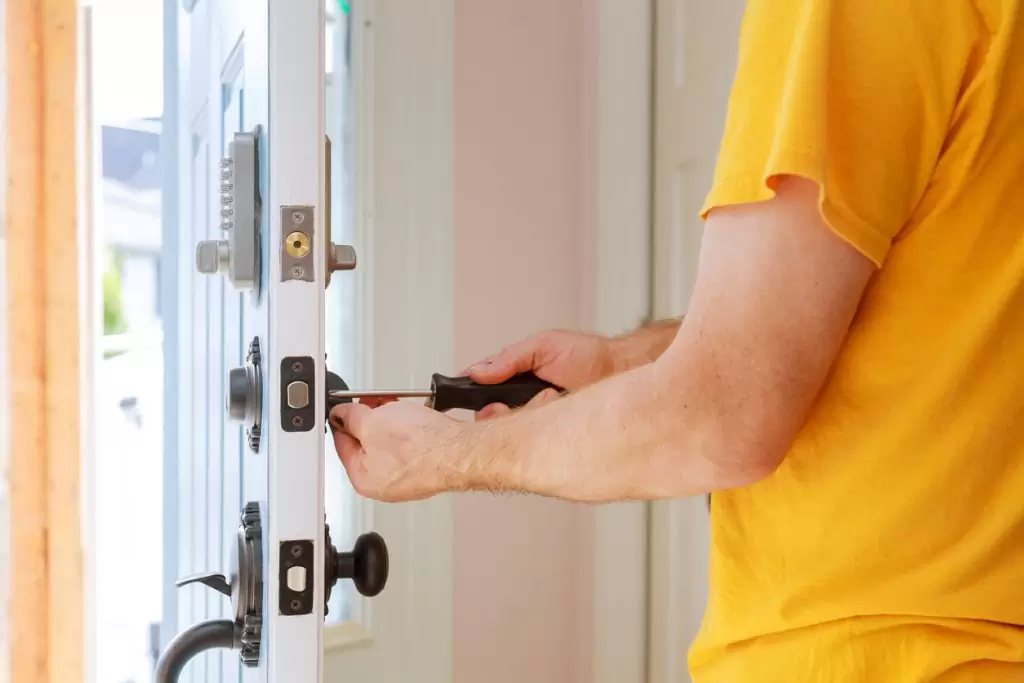
What should happen after installation?
Ask for a demonstration of locking and unlocking from both sides, where applicable. Try the supplied keys and make sure you understand how the handle, key or thumbturn work together. Report resistance or inconsistent operation rather than assuming a new lock needs forcing.
Keep the invoice, model details, certification information and any key card. Follow the manufacturer’s care instructions, including its lubricant guidance, instead of applying an unspecified oil. Store spare keys securely and review who has access when household arrangements change.
If the installer has identified other concerns, ask which should be dealt with first. Our Home Security Check can help you consider doors, accessible windows and other practical improvements together, so spending follows the needs of the property.
Frequently asked questions about anti-snap locks
Are anti-snap locks worth fitting to a back door?
Yes, if that entrance uses a cylinder that would benefit from better protection. Assess all external doors, including side and utility entrances. Upgrading the front door alone leaves the hardware at other entrances unchanged.
Does a three-star cylinder need security handles as well?
Its snap-resistance rating applies to the cylinder itself. Suitable handles are still necessary for a sound installation, and their condition and compatibility matter. Ask the installer whether retaining or replacing the existing furniture makes sense for your door.
Are anti-snap, anti-pick and anti-bump the same thing?
No. These terms concern different forms of attack. A product may address several, but one description does not prove the others. Check its independent certification and documented features instead of relying on a list of marketing terms.
Will fitting anti-snap locks reduce my insurance premium?
There is no automatic discount. Insurers set their own requirements and pricing. Check your policy and ask the insurer directly about any effect on cover or premiums. Keep evidence of the installed product if it is relevant to their requirements.
Can I keep my multipoint lock?
Often, yes, if it remains suitable and serviceable. A cylinder upgrade does not automatically require a replacement gearbox or locking strip. The locksmith should check compatibility and operation, and explain any additional work before proceeding.
Can an anti-snap cylinder still be damaged?
Yes. Resistance to attack does not mean that every external part remains intact. If your lock has been damaged or will not secure the door, arrange an assessment. Our Emergency Locksmith page explains how to seek help with an urgent lock problem.
Choosing anti-snap locks with Stride Lock & Key
The right upgrade combines suitable certification, correct fitting and everyday usability. Start with the door you have, then compare options that address its actual needs. That approach helps you avoid both unnecessary replacement and a cheap change that leaves the original problem unresolved.
For advice in Horley, Reigate, Redhill, Crawley and surrounding areas, contact Stride Lock & Key to discuss your existing locks and request a quotation. You can also browse our Knowledge Centre for more guidance on door locks and home security.