
Nightlatches are familiar door locks that commonly latch when you pull the door closed. Often called “Yale locks”, they appear on many UK timber entrance doors. However, the name does not tell you exactly how a particular lock secures the door or how it opens from inside.
Standard, deadlocking and escape-friendly designs can behave differently. This guide explains the main distinctions, common faults and questions to ask before replacing a nightlatch. The aim is to help you understand your own door, rather than assume every similar-looking lock works the same way.
What is a nightlatch?
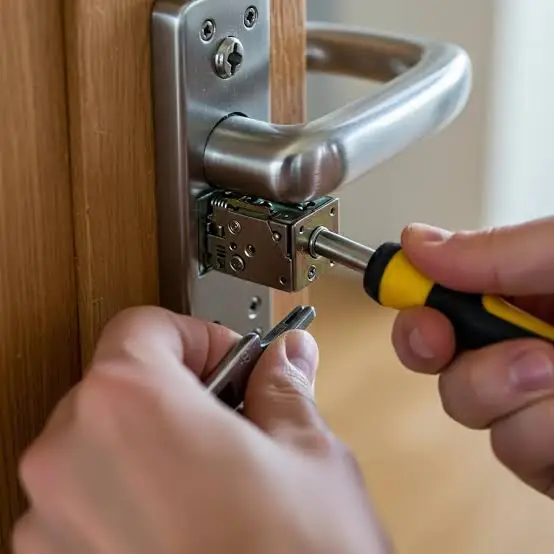
The familiar rim nightlatch has a case mounted on the inside face of the door and a key cylinder visible outside. A latch engages with a keep fitted to the frame. An internal knob or handle usually operates the latch, subject to the model and any locking mode selected.
“Nightlatch” describes a function as well as a product category. Mortice nightlatches also exist, with their cases recessed into the door. This article mainly concerns the surface-mounted rim type commonly found on domestic timber doors.
“Yale lock” is a common informal description, but Yale is a brand with several different products. Other manufacturers also make nightlatches. Identify the model and its instructions before deciding what protection or internal release function your lock provides.
Does pulling the door shut lock it?
With many nightlatches, closing the door engages the latch and prevents normal entry from outside without a key. That can leave you locked out even though you have not turned a key. It does not, by itself, establish that every available security function has been engaged.
Some models provide additional deadlocking that happens automatically; others have functions requiring deliberate operation. A holdback setting may keep the latch withdrawn altogether. The correct answer therefore depends on the exact product, how it is fitted and its current setting.
Ask for a demonstration of three things: what happens when the door closes, whether an additional locking action is required and how someone opens it from inside. Follow the manufacturer’s instructions rather than experimenting with unfamiliar controls while alone outside.
Standard and deadlocking nightlatches
Standard latching operation
A basic nightlatch provides convenient everyday latching. Its appearance and the fact that it catches on closing are not evidence of a particular security approval. Check whether the manufacturer specifies it for the intended application, especially when it is being considered for an external entrance.
Deadlocking functions
Deadlocking can refer to different functions. It may prevent a latch from being pushed back, or it may restrict the internal handle. Do not assume a description of “deadlocking” means both functions are present or that they engage in the same way.
For example, Yale’s nightlatch descriptions distinguish snib and key-operated functions. The practical question is what the particular model does in each setting, including whether it changes the way occupants can leave.
Automatic deadlocking
An automatic deadlocking design engages its specified locking function when the door closes correctly. This can reduce the need for a separate action, but it does not remove the need for proper fitting or a suitable internal release arrangement. Ask which function is automatic and which still requires a key or control.
These labels are not a simple scale from poor to good. A product must fit the door’s purpose, the household’s needs and any relevant requirements. Our Lock Upgrades service can help compare appropriate options.
What does the snib button do?
The snib is a small button or slide found on some nightlatches. Depending on the design and latch position, it may hold the latch back or secure it against operation. Its behaviour is model-specific; a similar-looking button on another lock may behave differently.
A holdback function can leave the door unlatched, while another setting may prevent normal key or handle operation. Make sure every regular user understands the fitted model. If a key suddenly appears ineffective, describe the control positions to a locksmith rather than forcing it.
On a fire door, do not use a latch holdback setting in a way that defeats required closing and latching. If you are unsure about the door’s role, ask the responsible person or a competent installer before changing its operation.
BS3621, BS8621 and escape arrangements
Some nightlatch assemblies meet a recognised security standard, while others do not carry the same specification. BS3621 concerns keyed egress; BS8621 concerns keyless egress. These distinctions matter because a lock’s resistance to intrusion is only one part of choosing suitable entrance hardware.
Our BS3621 Explained guide covers the terminology and identification checks. Look for the exact model, relevant markings and supporting documentation. Neither a familiar brand nor a large lock case establishes a particular approval.
For a flat entrance, shared escape route or fire door, obtain advice about the complete installation. A key-lockable internal handle may be inappropriate for an escape arrangement. Do not choose a restrictive mode solely because it sounds more secure, or assume an inside knob always gives keyless exit.
If an insurer specifies minimum security, confirm what its wording requires for your particular door. Describe the actual hardware and ask about any uncertainty. Fitting a product with a standard marking does not automatically settle every policy requirement or guarantee acceptance of a future claim.
Nightlatches and mortice locks: do you need both?
Some timber entrance doors have a rim nightlatch for everyday latching and a separate mortice deadlock. Other doors use different arrangements. Whether an additional lock is appropriate depends on the existing specification, door condition and escape needs.
Adding another lock is not automatically the best improvement. It can introduce another key operation or require changes to the door. A locksmith should assess the existing hardware before recommending extra components, particularly where the door has previous cut-outs or repairs.
Our Mortice Locks Explained article describes recessed deadlocks and sashlocks. Understanding the difference helps you explain what is already installed and compare a repair, a replacement nightlatch or a wider change.
Can you replace just the outside cylinder?
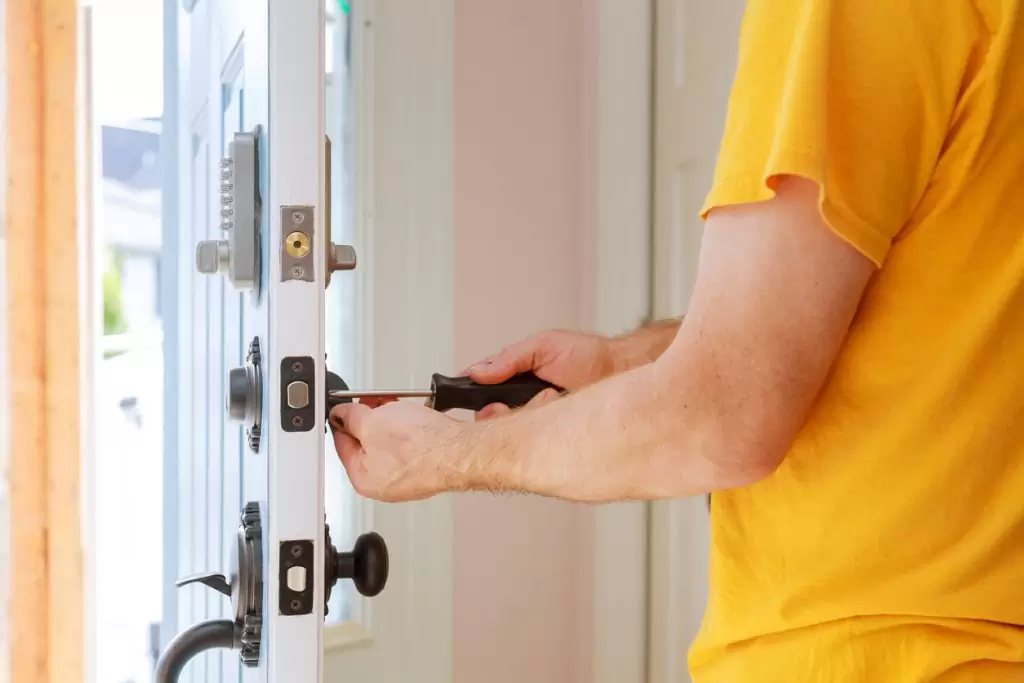
Sometimes a compatible rim cylinder can be changed while retaining a serviceable nightlatch case. This may be useful after lost keys or a change of occupants. Compatibility, operation and any certification requirements must be checked before treating it as a straightforward substitution.
A rim cylinder is different from a euro cylinder. If you are unsure which you have, compare the complete lock arrangement rather than ordering from the key shape. Our Euro Cylinder Locks Explained guide covers the other common profile and its applications.
Replacing the cylinder changes one component; it does not repair a worn latch case, strengthen a damaged frame or automatically upgrade the assembly to a different standard. Ask the installer to explain which parts can remain and what the proposed work will achieve.
Common nightlatch problems
The door does not latch reliably
The latch and keep may be misaligned, the door may have moved or a component may be worn. A door that needs slamming deserves attention. Repeatedly closing it harder can conceal the problem without restoring reliable operation.
The key turns but the latch does not withdraw
This may involve the cylinder, its connection to the case or the internal mechanism. Control settings can also affect operation on certain models. Explain what the key and inside handle do, and whether the problem is constant or intermittent.
The inside handle feels stiff or loose
Loose fixings, wear or a mechanism fault can affect the handle. Do not assume lubrication will resolve it. Follow the manufacturer’s maintenance instructions and arrange an assessment if operation remains unreliable. Our Lock Repairs service can help identify the cause.
Choosing and fitting a replacement nightlatch
A replacement needs to suit the opening direction, door thickness, backset and available fitting space. The keep must also suit the frame. Matching the colour or approximate case size is not enough to establish compatibility with the existing preparation.
Ask for a quotation identifying the model, security specification, included cylinder, keys and fitting work. Confirm whether damaged timber or frame repairs are included. A case-only price may cover different components from a complete supplied-and-fitted assembly.
After fitting, have the full operation demonstrated. Check closing, external key access and internal release, including any additional controls. Keep the model details and instructions so a future keyholder or repairer can identify the arrangement accurately.
Consider the entrance alongside other accessible doors and windows. Our Home Security Check can help prioritise improvements across the property instead of concentrating all the attention on a single lock.
Everyday habits that help prevent lockouts
Before stepping outside, check that you have the correct key. A nightlatch can engage when the door is moved by a draught or another person. Keep a spare with a trusted keyholder where appropriate, rather than hiding one near the entrance.
Explain the door’s operation to household members, carers and visitors who need access. This is particularly useful after a replacement with different controls. Discuss accessibility needs with the installer so the hardware is practical for the people using it.
Frequently asked questions about nightlatches
Is every Yale lock a nightlatch?
No. Yale makes several types of lock. “Yale lock” is often used informally for a rim nightlatch, but the phrase does not establish the design or security rating. Use the model and visible markings for identification.
Is a nightlatch enough for a front door?
There is no universal answer. It depends on the exact assembly, fitting, door condition and applicable requirements. Have the existing arrangement assessed rather than assuming every nightlatch requires the same additional lock.
Can a nightlatch be fitted to a fire door?
Only where the particular hardware and installation are suitable for that door assembly and its required function. Do not assume that any surface-mounted lock is acceptable. Ask a competent person to confirm compatibility before making alterations.
Will a new outside cylinder keep my old keys working?
An ordinary replacement generally comes with different keys. Other arrangements depend on the system and supplier. If keys are missing, keeping the old key access would not resolve the uncertainty about who can enter.
Should I leave the snib in one position?
Follow your model’s instructions and the door’s required operation. The snib may have different effects depending on the design and latch position. Ask for a demonstration rather than relying on general advice about an unfamiliar lock.
What should I do if I am locked out?
Contact our Emergency Locksmith service and explain the door and lock arrangement. Mention whether another lock is secured and whether anyone is inside. The appropriate entry method depends on the situation; damage-free access cannot be promised for every case.
Get advice on your nightlatch
Stride Lock & Key can help homeowners in Horley, Reigate, Redhill, Crawley and surrounding areas assess existing hardware and discuss repairs or replacements. Contact us with visible model details and any operating problems, or visit our Knowledge Centre for more practical door-security guidance.