
BS3621 is a British Standard for thief-resistant lock assemblies that can be locked by key from both sides of a door. Homeowners often encounter the number when checking an existing lock, comparing replacements or answering a home-insurance question.
Understanding it helps you describe your security accurately and choose appropriate hardware. However, it is not a universal requirement for every door, and a familiar-looking lock is not proof of compliance. This guide explains the markings, common misunderstandings and practical checks to make before arranging work.
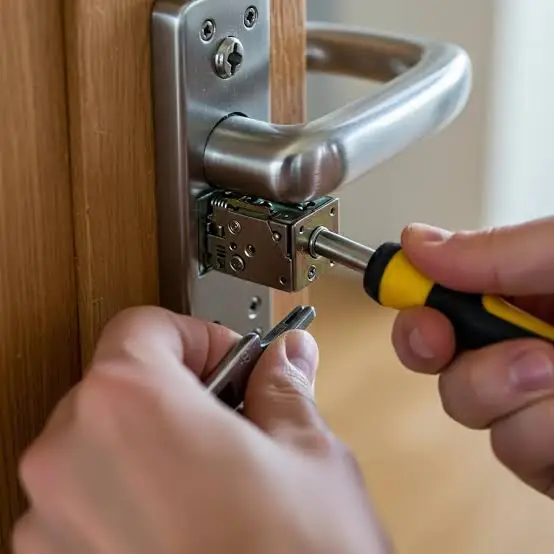
What does BS3621 mean?
BS3621 sets performance requirements and tests for a mechanically operated, single-point lock assembly. The assembly includes associated components such as locking plates and fixings, with cylinders and protective furniture where relevant. It therefore concerns more than the part into which you insert a key.
The standard describes a keyed-egress arrangement: the lock can be secured so that a key is needed to unlock it from inside. That distinction matters when considering how occupants leave a building. A security specification must suit the door’s escape arrangements as well as its protection against intrusion.
BSI currently lists BS 3621:2017+A1:2024. The numbers following the colon identify the edition and amendment. Older installed locks may carry earlier dates; a different date is a reason to check the specification, rather than automatically assume replacement is required.
Which types of lock can meet BS3621?
Mortice deadlocks and sashlocks
A mortice lock sits within a recess in the door. A deadlock provides a locking bolt, while a sashlock combines a locking bolt with a latch operated by handles. BS3621 versions are available, but the shape of the lock case alone does not establish its specification.
You may hear these described as five-lever locks. Five levers describe part of the mechanism; that description is not a substitute for checking the standard. Two locks can look similar and have the same lever count while offering different documented performance.
Certain nightlatches
Some nightlatch assemblies also meet BS3621. A nightlatch is often fitted on the inside face of a door with a separate external cylinder. Yale’s nightlatch range, for example, includes products meeting different standards. The brand name “Yale” does not identify which standard an individual lock meets.
Be precise when describing your door. Saying it has “a Yale lock and a mortice lock” may help start a conversation, but photographs, model numbers and visible markings provide better information. Do not assume that having two locks automatically answers an insurer’s question.
How to identify a BS3621 lock
Look for the standard number
With the door safely open, inspect the visible lock faceplate and any accessible markings. On many mortice locks, the faceplate is the metal strip at the door edge. Look for BS3621, the manufacturer’s name and any model or date information. Other lock designs may display information elsewhere.
Check certification and paperwork
Look for independent certification markings, such as the BSI Kitemark, alongside the relevant standard. A Kitemark without identifying the associated specification is not enough. Retain any installation invoice, packaging or product documentation that confirms the model and supplied assembly.
Ask when identification is uncertain
Paint, wear or limited visibility can make markings difficult to read. Do not dismantle a working lock simply to investigate. Send a locksmith clear photographs of visible markings and the overall lock arrangement. Avoid including detailed images of key blades or security codes.
Treat the initial identification as one part of the assessment. A marked lock body does not confirm the condition of the frame, correct fitting or the suitability of replacement components. An inspection can establish whether the installation still provides dependable operation.
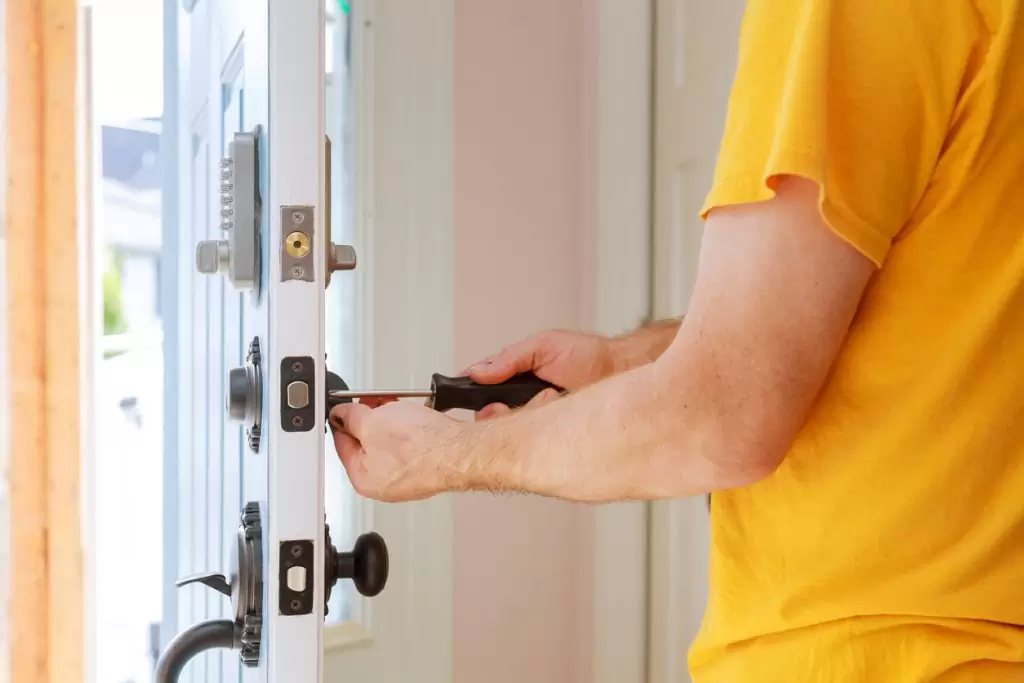
BS3621 and home insurance
Some home-insurance policies specify minimum security precautions, which may include particular door locks. The Association of British Insurers’ home-insurance guide notes that requirements can include fitting and using good-quality locks. Your own policy documents determine what applies to your home. Some home-insurance policies specify minimum security precautions, which may include particular door locks. The Association of British Insurers provides general information about home insurance. Your own policy documents determine what applies to your home.
Check the policy schedule, wording and any security endorsements. Read the whole requirement rather than picking out BS3621 in isolation. It may describe particular doors, acceptable alternatives or circumstances in which security devices must be used.
When completing a quotation, answer from what you can establish. If the lock type is unclear, ask the insurer how to record it and arrange identification if needed. Guessing from the key shape or selecting an option because it produces a lower price can leave important information inaccurate.
A useful question is: “My door has this lock model and these markings. Does that meet the security requirement in my policy?” Request clarification in writing if the answer affects work you intend to commission. A locksmith can identify hardware; the insurer confirms its own terms.
Fitting a BS3621 lock does not automatically guarantee a premium reduction or acceptance of a future claim. Keep installation records, follow relevant locking requirements and tell your insurer if information previously supplied needs correcting.
BS3621, BS8621 and BS10621: why the difference matters
These related standards distinguish different arrangements for leaving through a locked door. BS3621 covers keyed egress. BS8621 concerns keyless egress, allowing the lock to be unlocked from inside without a key. BS10621 covers an arrangement that also offers a secure mode preventing egress.
They should not be treated as a simple ranking from basic to better. The appropriate choice depends on the building and the door’s purpose. A lock that offers a particular security feature may be unsuitable where people must be able to leave without finding a key.
For a flat entrance door, shared escape route or fire door, obtain advice from someone competent to assess the complete installation. Discuss proposed changes with the landlord or managing agent where relevant. Do not replace an internal thumbturn with key operation merely to obtain a particular marking.
What about uPVC and composite doors?
Many uPVC and composite doors use a multipoint mechanism operated by a euro cylinder. That differs from the single-point assembly covered by BS3621. If your door has several locking points, do not assume a traditional mortice-lock requirement describes it accurately.
Cylinder protection is a separate consideration. TS007 ratings and Sold Secure cylinder approvals address different specifications from BS3621. Our Anti-Snap Locks Explained guide covers choosing cylinder protection, and What Is Lock Snapping? explains the underlying security issue.
Give your insurer an accurate description of the fitted arrangement and ask which requirements apply. For replacement work, the locksmith should consider the mechanism, cylinder, handles and door condition together. Choosing a component solely because its packaging mentions a standard can miss compatibility problems.

Do you need to replace your existing lock?
Keep a suitable, serviceable installation
If the lock is correctly identified, appropriate for the door and operating reliably, replacement may not improve matters. Consider the installation’s condition, your access needs and any stated insurance requirements. A newer-looking product is not automatically a better choice for the same door.
Repair an operating problem
Stiffness, loose handles or a door that needs lifting to lock may indicate an alignment or hardware problem. Explain the symptoms before booking. Our Lock Repairs service can help establish whether a repair is appropriate rather than assuming the lock case needs changing.
Upgrade where there is a clear need
An upgrade may be appropriate where the current specification is unsuitable, components are damaged or a confirmed policy requirement is not met. Our Lock Upgrades page explains how improvements can be considered around the existing door and hardware.
Lost keys and a change of occupants introduce a separate question: who still has access? A lock can be in good condition yet need a change to its keying arrangement. Tell the locksmith whether security performance, access control or unreliable operation is your main concern.
What to ask before booking a replacement
Ask for the proposed make, model and standard in writing, together with the total price and number of keys. Confirm whether the work includes the appropriate locking plate, fixings and any necessary door repairs. A complete description makes quotations easier to compare.
Discuss the door’s material, thickness and current cut-outs. Replacement should follow the manufacturer’s fitting instructions and preserve the door’s suitability. An impressive lock fitted to weakened timber or an unsuitable frame may leave the underlying problem unresolved.
After fitting, ask for a demonstration and try the supplied keys. The door should close and lock without unusual force. Keep the invoice and product details, and follow the manufacturer’s maintenance guidance. If you remain unsure about other entrances, consider a Home Security Check.
For a useful record, note each external door separately: front entrance, kitchen door, side entrance and any door connecting the house to a garage. Record the visible model details and any problem you have noticed, rather than assuming every door has matching hardware. Bring that list to the discussion with your locksmith. It helps keep the assessment specific and makes it easier to understand which changes are necessary, which are optional and which parts can remain. Keep the updated list with your installation paperwork after any work is completed.
Frequently asked questions about BS3621
Is every five-lever mortice lock BS3621?
No. The lever count does not prove compliance. Check the standard marking, model and supporting documentation. If these cannot be identified, ask a locksmith to assess the lock before describing it as BS3621 on an insurance application.
Does BS3621 mean a lock is burglar-proof?
No. It is a performance standard, not a promise that entry is impossible. Correct fitting, sound surrounding materials and using the lock properly remain important. Security should be assessed across the door and the rest of the property.
Does an older date mean my lock is invalid?
Not automatically. A date identifies the edition against which the product was specified. Whether an older installation remains appropriate depends on its condition and relevant requirements. Ask your insurer if its wording requires a particular edition or specification.
Can I identify the standard from the key?
A key can suggest the type of mechanism, but it does not establish the standard of the complete assembly. Look at the lock markings and documentation instead. Do not rely on a familiar key shape as proof of certification.
Can I fit a BS3621 lock myself?
The installation must suit the door and follow the product instructions, including the associated components. If you are uncertain about the existing cut-out, frame or escape arrangements, use a competent installer. Poor fitting can undermine an otherwise suitable lock.
What if my lock will not secure the door?
Arrange help promptly rather than repeatedly forcing the key. Our Emergency Locksmith service can assist with urgent lock problems. Explain whether you can open the door and whether the property is currently secure so the work can be assessed.
Get help identifying your door locks
Stride Lock & Key can help homeowners in Horley, Reigate, Redhill, Crawley and surrounding areas understand their existing hardware and discuss suitable repairs or upgrades. Contact us with the visible markings, door type and any operating problems, or explore the Knowledge Centre for more practical guidance.