
Should you change your locks after moving house? In many cases, yes. Moving into a new property is one of the best times to review your door locks because you rarely know exactly how many copies of the old keys may still be in circulation.
Previous owners or tenants may have given spare keys to relatives, neighbours, cleaners, builders, tradespeople or estate agents over the years. Even when everyone acts completely honestly, there is usually no practical way of knowing where every copy ended up.
Changing or upgrading your locks gives you control over who can enter your new home and provides an opportunity to check whether the existing locks are still in good condition and appropriate for the doors they protect.
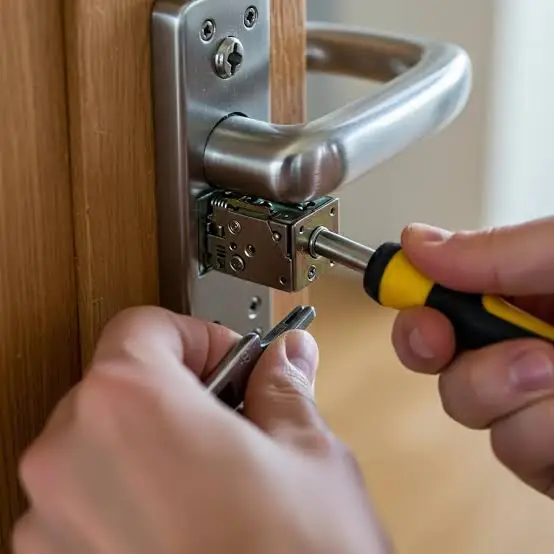
7 Reasons to Change Locks After Moving House
1. You Don’t Know How Many Keys Exist
The biggest reason to change locks after moving house is simple: you usually don’t know who may still have a key.
Over the lifetime of a property, keys can be copied many times. Previous occupants may have shared them with family members, neighbours, cleaners, dog walkers, contractors or other people who needed temporary access.
Even if the seller hands over several keys on completion day, that doesn’t necessarily mean those are the only copies that have ever existed.
2. Previous Contractors May Have Had Access
Builders, decorators, electricians, estate agents and other contractors sometimes receive temporary keys while work is being carried out or a property is being marketed.
Most will return them properly, but changing the locks removes any uncertainty and gives you a completely fresh set of keys under your control.
3. Existing Locks May Be Worn
Moving house is also an ideal opportunity to inspect the condition of the existing locks. A lock may still work while becoming worn internally, increasingly stiff or less reliable than it once was.
Common warning signs include difficulty turning the key, excessive movement, sticking mechanisms or handles that need to be lifted or pushed harder than they should.
If a lock is faulty but otherwise suitable, our Lock Repairs service may be able to restore reliable operation without unnecessary replacement.
4. Your Locks May Be Outdated
Lock technology changes over time. A lock that was considered suitable when it was fitted may no longer provide the level of protection you would choose today.
For example, many uPVC and composite doors use euro-profile cylinders. Modern security cylinders can incorporate features designed to increase resistance against methods such as snapping, drilling and picking.

5. It Gives You Control Over Access
Changing the locks gives you a clear starting point. You know exactly how many keys have been supplied and you decide who receives additional copies.
This is especially useful for households where several people need access, or where you want to keep track of spare keys given to trusted relatives or neighbours.
6. Moving House Is a Good Time for a Security Review
When you first move into a property, you’re naturally paying more attention to doors, windows and access points than you probably will a few months later.
That makes moving day an excellent time to look at your overall home security rather than considering each lock in isolation.
Our Home Security Check can review door locks, accessible windows, lighting, CCTV considerations, alarm systems and other practical ways to strengthen the property.
7. It Can Provide Peace of Mind
Moving home comes with enough uncertainty already. Knowing that the locks have been checked, repaired or replaced where appropriate removes one concern from the list.
You don’t need to wonder whether an unknown spare key is sitting in a drawer somewhere. You know exactly who has access to your home.
Do You Need to Replace Every Lock?
Not necessarily.
Changing locks after moving house does not automatically mean replacing every piece of door hardware. The best option depends on the type and condition of the existing lock.
Some locks may simply require a new cylinder or another component. Others may already be modern, secure and in excellent condition. Where a lock is still suitable, replacing it purely for the sake of replacement may offer little benefit.
A professional locksmith can assess the existing setup and explain which locks should be retained, repaired or upgraded.
Repair, Replace or Upgrade?
These three options serve slightly different purposes.
- Repair: suitable where the existing lock remains secure but has developed a fault that can be reliably corrected.
- Replace: appropriate where the lock is excessively worn, damaged or no longer dependable.
- Upgrade: useful where the existing lock works but a more secure option would provide a meaningful improvement.
Stride Lock & Key takes a repair-before-replace approach wherever it is sensible to do so. If a serviceable lock does not need replacing, we’ll tell you.
You can learn more on our Lock Upgrades page.
What About Insurance Requirements?
Some home insurance policies specify particular security requirements for external doors and windows. These requirements vary between insurers and policies, so it’s important to check your own documentation rather than assuming one standard applies to every home.
If your insurer specifies a particular lock standard, a locksmith can help identify the type currently fitted and discuss suitable replacement options where required.
If you’re unsure about your insurer’s requirements, contact the insurer directly before making assumptions about what is or is not required.
What Are Anti-Snap Cylinders?
Some uPVC and composite doors use euro-profile cylinders. Certain modern replacement cylinders include anti-snap features designed to make cylinder snapping more difficult.
These cylinders are designed so that if part of the cylinder is attacked, the locking mechanism remains better protected than it would with a basic cylinder.
Not every door needs the same cylinder, so the correct product should be selected based on the type and dimensions of the existing door and locking mechanism.
When Should You Change the Locks?
Ideally, consider changing or reviewing the locks as soon as reasonably practical after receiving the keys to your new property.
If you are moving into a property where you have concerns about previous access, missing keys or damaged locks, addressing those issues promptly is sensible.
There is no need to panic if the locks cannot be changed immediately, but making them part of your early moving-in checklist can give you greater control over the security of your new home.
What Should You Check When Moving In?
- Front door locks
- Rear door locks
- Side entrances
- Patio and French doors
- Garage doors
- Sheds and external storage
- Accessible windows
- Spare keys left by the previous occupants
- Alarm codes
- Smart locks or connected security devices
- Video doorbells and CCTV access
Don’t forget digital security. If the property has smart locks, alarms, cameras or connected doorbells, reset passwords, administrator accounts and access permissions where possible.
Consider a Home Security Check
If you’re already reviewing your locks after moving house, it can be useful to look at the wider property at the same time.
Stride Lock & Key offers a £25 Home Security Check, covering practical issues such as locks, external doors, accessible windows, lighting, CCTV, alarms and target hardening.
If you subsequently book Stride Lock & Key to complete recommended work, the £25 assessment fee is deducted from the cost of that work.
Frequently Asked Questions
Should I always change locks after moving house?
It is usually sensible to at least review them. Whether every lock needs replacing depends on its condition, security level and whether you are comfortable with the possibility that previous copies of the keys may still exist.
Can I just change the cylinder instead of the whole lock?
Often, yes. On many doors, replacing the cylinder can provide you with a new set of keys without replacing the entire locking mechanism. The correct approach depends on the type of lock fitted.
How much does it cost to change locks after moving house?
The cost depends on the number and type of locks, the hardware required and whether any additional repair or adjustment is necessary. A locksmith should explain the available options and pricing before work begins.
Should I change my locks if the seller gave me all the keys?
You may still choose to. Even when all known keys are handed over, it is difficult to know whether additional copies were made previously.
Can you check all the locks in my new home?
Yes. A broader home security assessment can review external locks and other accessible areas and help identify where improvements may be worthwhile.
Related Locksmith Advice and Services
- Lock Upgrades
- Lock Repairs
- Home Security Check
- Emergency Locksmith
- Knowledge Centre
- Contact Stride Lock & Key
Moved House and Want Your Locks Checked?
If you’ve recently moved into a new home and want greater confidence in your security, Stride Lock & Key can assess your existing locks, explain the options and carry out repairs or upgrades where appropriate.
We provide professional locksmith services across Horley, Surrey, West Sussex and surrounding areas, with transparent pricing and straightforward advice.