
Holiday home security starts before departure day. Checking locks, arranging a trusted contact and dealing with deliveries in advance makes the final walkthrough easier. The aim is to leave your home reliably secured, with a clear plan if something needs attention while you are away.
This guide is about protecting your usual home during a holiday, rather than managing a holiday-let property. It covers preparations, the final locking routine and arrangements for your return. For a wider room-by-room review, use our Home Security Checklist alongside these holiday-specific checks.
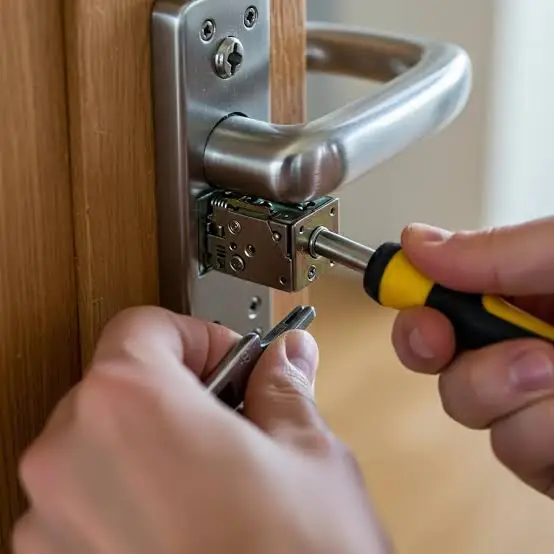
Plan holiday home security before you pack
Start early enough to investigate a problem without rushing into a last-minute purchase. A lock that has become stiff, a window that will not secure or an unreliable alarm deserves attention before you depend on it during an absence.
Write down the essentials: departure and return dates, necessary visits, keyholders and any outstanding repairs. Keep this information private and share only what each trusted person needs. A short, clear plan is easier to follow than several informal arrangements made while leaving.
If someone is staying in the home, adapt the plan around their access and escape needs. Do not set up locking modes, alarm schedules or remote controls that prevent normal use by an occupant. Confirm the arrangement with everyone involved before departure.
Check doors and windows while there is time for repairs
Deal with unreliable operation
Check every external entrance, including back and side doors, conservatory doors and an internal connection to a garage. Operate the hardware normally and note any unusual resistance. Do not treat a door that needs extra force as satisfactory simply because it eventually locks.
Our Sticky Door Lock guide explains why maintenance advice depends on the product. If a uPVC door has become difficult, read Why Is My uPVC Door Hard to Lock?. Arrange an assessment rather than trying random adjustments before a trip.
Confirm what fully locked means
A closed door is not always fully secured. Follow the operating sequence for its locks, including the key or thumbturn where required. Ask the installer for clarification if the handle, nightlatch or additional lock is unfamiliar.
Include accessible windows and those in rooms used less often. Confirm that they can be closed and secured without improvisation. Do not leave a partly open window on the assumption that a small gap is equivalent to a locked opening.
Our Lock Repairs service can help with faults, while Lock Upgrades covers improvements where a different specification is appropriate. Avoid changing working hardware solely because departure is approaching; identify a practical reason for the work.
Arrange a trusted contact and spare-key plan
Ask someone you trust whether they are willing and available to help. Agree the specific tasks, how often any visits are needed and how they should contact you. Do not assume a neighbour can provide regular checks without discussing it first.
If access is needed, hand over keys securely and have the keyholder confirm normal operation before you leave. Explain any unusual handle sequence, alarm setting or separate lock. An unfamiliar keyring becomes much harder to understand when a problem occurs and you are travelling.
Keep spare keys out of obvious hiding places near the entrance. Give access only to the people who need it and keep a note of what was supplied. If digital access is available, use the system’s supported arrangements rather than sharing unnecessary account details.
Agree what your contact should do if they see damage or suspect an intruder. They should stay safe and seek appropriate assistance, rather than enter or confront someone. A contact is there to notice and report concerns, not to act as security staff.
Manage post, parcels and regular deliveries
Review deliveries that would normally arrive during the absence. Pause, redirect or rearrange them where possible, and make a clear collection arrangement for anything unavoidable. Do not leave instructions that publicly announce the house will be empty.
Police advice on preparing for absences highlights the role of trusted neighbours and collecting deliveries. Check the exact dates with anyone helping so parcels are not left waiting because each person thinks someone else is responsible.
Also consider bins and other routine tasks. Agree what is genuinely needed and how access will work. Keep the arrangement manageable for your helper, rather than creating a long daily list that they have not agreed to undertake.
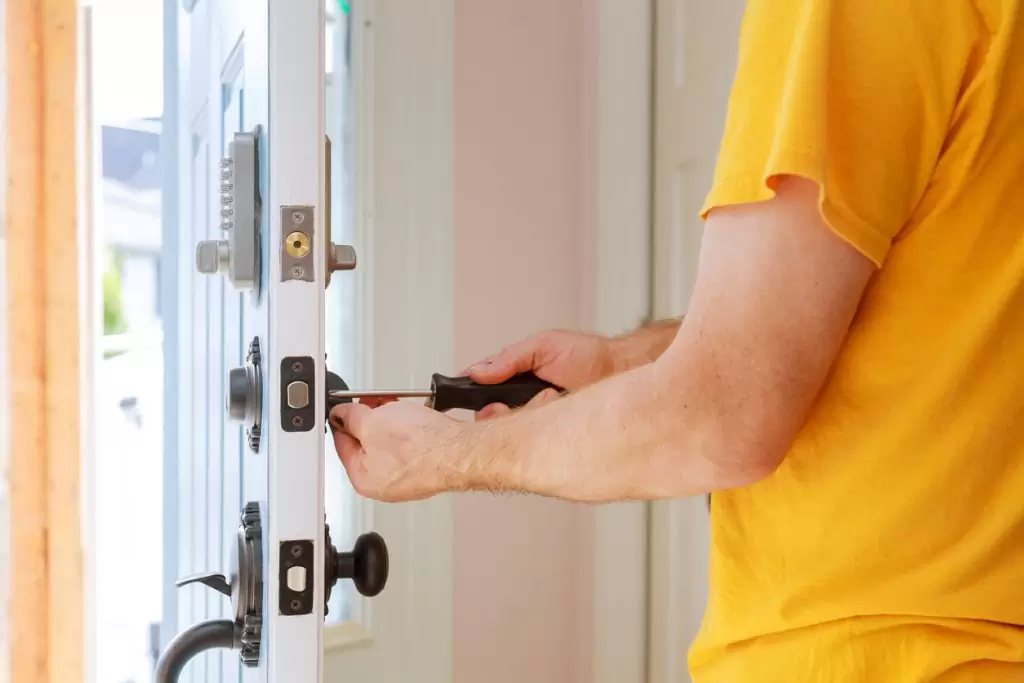
Use lighting and alarms thoughtfully
If you use timer-controlled lights, set and check them before departure. Choose equipment and settings suitable for unattended use and follow its instructions. Police.uk’s leaving-home checklist includes timed lighting among its suggestions for an absence.
Check that existing outside lighting works and is appropriately aimed. Lighting helps visibility, but it does not make an unreliable lock secure. Prioritise sound physical security before buying additional devices solely for the trip.
Set an existing alarm in accordance with its instructions and agreed occupancy arrangements. Resolve faults or servicing needs beforehand. Make sure an authorised keyholder knows how to manage permitted visits without leaving the system unintentionally unset afterwards.
For monitored systems, check the provider’s process for updating contact details or temporary keyholders. Do not assume that changing a phone number in one app updates every response arrangement. Confirm the relevant procedure with the service provider.
Check cameras and connected equipment before relying on them
If you already use cameras or a connected doorbell, confirm that normal viewing, alerts and any required recording are functioning. Check relevant subscription or storage arrangements if those features depend on them. Test while you are still at home and able to resolve a problem.
Keep supported software updated and follow the manufacturer’s account-security guidance. Review who has access and remove permissions that are no longer needed. Avoid making an unfamiliar last-minute configuration change without time to check the result.
Remote viewing is useful only alongside a response plan. Decide what you would do about an alert while travelling and who could safely help. If the system goes offline, that does not by itself prove a break-in; seek appropriate checks without assuming the cause.
Avoid advertising that the home is empty
Consider postponing public holiday photographs and location updates until you return. Avon and Somerset Police’s pre-holiday advice cautions against announcing an absence on social media.
Ask travelling companions to consider what their posts or tags reveal as well. Review the audience before sharing, but do not treat privacy settings as an absolute guarantee that information will stay within the intended group.
Keep practical notices discreet too. A public note to a delivery driver or an unnecessary announcement in a shared space can disclose plans. Share dates and access information directly with the people who need them.
Secure gardens, garages and outside storage
Check side gates, shed and garage doors, and any access from those areas into the house. Put tools and ladders away securely rather than leaving them out after last-minute garden work. Review the condition of the surrounding fixings and materials as well as the lock.
Confirm what your helper needs to reach and how they will secure it afterwards. If a bin collection or watering visit requires a gate key, arrange that access deliberately. Do not leave a gate or outbuilding unsecured simply to simplify a task.
Include valuables kept outside in your overall plan. Keep appropriate records of important items and follow any relevant insurance conditions. A locked storage door does not establish that every item inside meets its own required security arrangements.
Read your insurance conditions for the absence
Check the policy wording, schedule and any endorsements before a longer trip. The Association of British Insurers advises checking restrictions and requirements for an unoccupied home. The relevant period and definition depend on your policy.
Do not assume a quick visit by a neighbour changes how the insurer classifies the property. If the absence could fall within a condition you do not understand, ask the insurer and retain its clarification. Discuss any required visits or precautions before relying on an informal arrangement.
Broader property-care instructions, such as those relating to heating or water, also need to suit the building and the policy. Follow relevant professional or manufacturer guidance rather than switching off essential systems simply because you are going away.
Your final holiday home security walkthrough
Allow a quiet few minutes before leaving. Work through the home in an agreed order, checking doors and windows, securing outside storage and setting the alarm where applicable. Keep valuables and keys away from view and reach through openings.
Confirm that your own travel keys are with you and that the trusted contact has what they need. Check the return date and contact arrangements once more. If several people are leaving together, agree who completes the final check rather than assuming it has been done.
If a lock fails at this stage, do not leave on the strength of an improvised temporary fix. Contact our Emergency Locksmith service to discuss an urgent security problem and explain your departure situation. The appropriate work depends on the fault and available access.
While you are away and after you return
Keep communications with your helper simple. Agree which issues warrant immediate contact and how to reach you if ordinary messages go unanswered. If repair work becomes necessary, clarify who can arrange access and how any proposed work will be authorised.
On return, collect temporary keys or review digital permissions, restore delivery arrangements and check any reported faults. Keep a note of work that still needs doing. A problem noticed during the absence is useful information for a planned repair, even if the door appears to work again.
Holiday home security FAQs
Should I leave a light on all the time?
A timer or suitable supported schedule may be more practical than continuous lighting. Follow the equipment instructions and check the setup before leaving. Lighting supplements the overall plan; it does not replace secure doors and windows.
Is it safe to leave a spare key outside?
Avoid obvious hiding places around the entrance. A securely arranged handover to a trusted keyholder is preferable to leaving a key available to anyone who finds it. Review who needs access and retrieve temporary keys afterwards.
How often should a neighbour visit?
Agree a realistic arrangement based on the property, tasks and any insurer requirements. There is no universal schedule for every home. Do not promise an insurer a frequency that your helper has not agreed to provide.
Do I need new locks before every holiday?
No. Suitable, serviceable locks may remain. Address known faults or uncertain access arrangements, and only upgrade where there is a clear reason. Leave time for any new hardware to be fitted and its operation checked.
Can I switch off the internet while away?
Check what depends on it first. Cameras, alarms or other connected equipment may lose functions when connectivity is removed. Follow the system’s instructions and make sure your planned security arrangements still operate.
Does this checklist guarantee the home will be safe?
No checklist eliminates every risk. It helps organise sensible precautions and identify unresolved problems. Seek an assessment where hardware, access arrangements or policy requirements remain uncertain.
Get help preparing your home before a holiday
Stride Lock & Key can help homeowners in Horley, Reigate, Redhill, Crawley and surrounding areas review locks and discuss suitable repairs. Arrange a Home Security Check, contact us about an identified fault, or browse our Knowledge Centre for more practical guidance.