
A broken key in a lock can leave you unable to enter, lock up or use the door normally. Stop turning or pushing the remaining piece, keep the part you are holding and check whether the door is open, closed or still secure. Further force can make a manageable problem harder to resolve.
The key breaking does not automatically mean the whole lock needs replacement. A locksmith may be able to remove the fragment and retain suitable hardware, but the cause of the break also needs attention. This guide explains what to do next and what to expect from an assessment.
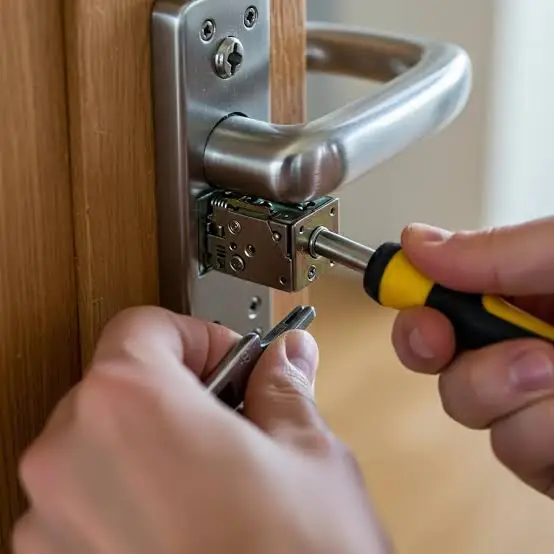
What to do first with a broken key in a lock
Stop using the key
Do not try to complete the turn with the piece still in your hand. Avoid pushing a spare key into the same keyway, as the fragment is still occupying part of it. Leave the lock as it is while you establish the situation.
Check access and security
Notice whether the door is open or closed and whether another entrance is available for normal, authorised access. A key breaking does not reveal the bolt position by itself. Do not assume the property is secured simply because the door is shut.
If the door is open, avoid closing it until you know it can be operated reliably. Keep it under supervision while arranging help. If it is already closed, do not repeatedly force the handle or try to make the damaged key work.
Keep the broken piece
Put the piece you have somewhere safe and tell the locksmith if any smaller pieces have been lost. The remains may help with identification or assessing the break. They are not guaranteed to provide everything needed to produce a working replacement key.
When is a broken key an urgent problem?
Seek prompt assistance if you cannot secure the property, cannot gain necessary access or cannot open an essential exit. Our Emergency Locksmith service can help assess urgent lock problems. Explain whether anyone is inside and whether another usable entrance or exit is available.
If someone is in immediate danger, such as during a fire, contact the emergency services rather than waiting for routine locksmith attendance. Otherwise, the urgency depends on your access and security situation, not simply on how much of the key has broken.
Where another door provides safe access and the affected entrance is secure, a planned visit may be possible. Describe the circumstances when booking so the appropriate response can be discussed. Do not promise yourself that a fragment will remain harmless indefinitely.
Why do keys break inside locks?
Wear or damage to the key
A key may have been bent, cracked or repeatedly stressed before it fails. Damage can be easy to overlook when the key still works most of the time. Stop using a visibly damaged key rather than relying on one more successful turn.
Resistance in the door or mechanism
A key can be placed under extra strain when a lock is stiff or the door does not align properly. The fault may involve the cylinder, connected mechanism or the way locking points meet the frame. Extraction alone does not necessarily address that resistance.
If the door was difficult to lock before the break, say so. Our Why Is My uPVC Door Hard to Lock? guide explains why a stiff handle or reluctant key does not automatically indicate a cylinder fault.
Using the key to pull the door
A key operates the lock; it should not replace the handle or door pull. Pulling a heavy door with it or applying extra leverage can damage the key or cylinder. ERA’s cylinder instructions specifically caution against force and using the key as a handle.
What should you avoid trying?
Do not put glue into the keyway or attempt to attach the broken pieces together inside the lock. Adhesive can contaminate the mechanism and join parts that need to move independently. A glued key is also not a dependable replacement for a sound one.
Avoid pushing needles, blades or other improvised tools beside the fragment. Without knowing its position and the internal arrangement, this can push it further in, break another object or damage the keyway. Seeing a small piece near the opening does not prove it will withdraw easily.
Do not drill, dismantle unfamiliar hardware or force the lock to turn with pliers. These actions may change the repair needed. If you have already tried something, tell the locksmith exactly what was used, including any liquid or adhesive, so the assessment starts with accurate information.
Lubrication is not a universal extraction solution. Follow product-specific maintenance guidance and obtain advice before adding anything to a lock containing a fragment. The aim is to preserve the existing condition until someone can assess it properly.

Can a locksmith remove the broken key without replacing the lock?
Sometimes, yes. The prospects depend on the lock type, fragment position, whether the mechanism is turned and whether damage has occurred. A professional can assess the situation and use appropriate extraction equipment where suitable. Successful removal without replacement cannot be guaranteed from a description alone.
Once the fragment is removed, the lock needs checking with a suitable key and with attention to the original symptoms. A cylinder that works again may still be unsuitable if damaged, while a sound cylinder may be retained if the actual problem lies elsewhere.
Our Lock Repairs service can help establish whether extraction, repair or replacement makes sense. Ask what has been found before approving additional parts, especially if the initial enquiry was simply about removing a broken key.
Does the type of lock make a difference?
Euro cylinders and multipoint doors
On many uPVC or composite doors, the key operates a euro cylinder connected to a separate mechanism. A cylinder problem and a multipoint mechanism problem are different issues. Our Euro Cylinder Locks Explained guide describes those components and why replacing one does not repair the other.
Traditional mortice locks
A traditional lever mortice lock has a different internal arrangement from a euro cylinder. The appropriate assessment and repair depend on that design. See Mortice Locks Explained if you are unsure how a recessed deadlock or sashlock differs from other hardware.
Nightlatches
A rim nightlatch commonly uses an outside cylinder connected to an inside case. The door may have latched even though the key is unusable. Tell the locksmith about any separate lock as well. Our Nightlatches Explained article covers the different operating arrangements.
This guide concerns home door locks. Vehicle ignitions, safes and other specialist equipment have different requirements; identify the equipment when seeking help so you can be directed to an appropriate specialist.
What information helps when booking a locksmith?
Explain where you are, whether the door opens and whether the property is secure. Say which side contains the fragment, whether the key broke during insertion or turning, and whether the lock was previously stiff. Mention another locked component on the same door.
Visible manufacturer markings and a photograph of the overall lock arrangement may help identify likely hardware. Avoid posting detailed key-blade images or security codes publicly. A photograph can support an initial enquiry, but it cannot establish internal damage or guarantee the final work required.
Ask about attendance charges, labour, extraction and the price of any proposed replacement parts. Confirm the total payable and how additional work would be agreed. Access through a locked door and extraction from an accessible lock are different jobs and may be priced differently.
Do you need a new key, a new cylinder or an upgrade?
If the existing lock remains suitable, a correctly supplied replacement key may be enough after extraction and any necessary repair. The available route depends on the key system, the condition of the pieces and whether a sound spare or authorised key code is available.
If hardware is damaged or unreliable, replacement may be appropriate. Ask which component needs changing and why. A new cylinder can change keyed access, but it will not correct door alignment or restore a failing gearbox.
A security upgrade is optional unless there is a separate reason for it. Our Lock Upgrades service can help assess that question. There is no need to replace every working component solely because one key has broken, but unresolved damage should not be ignored.
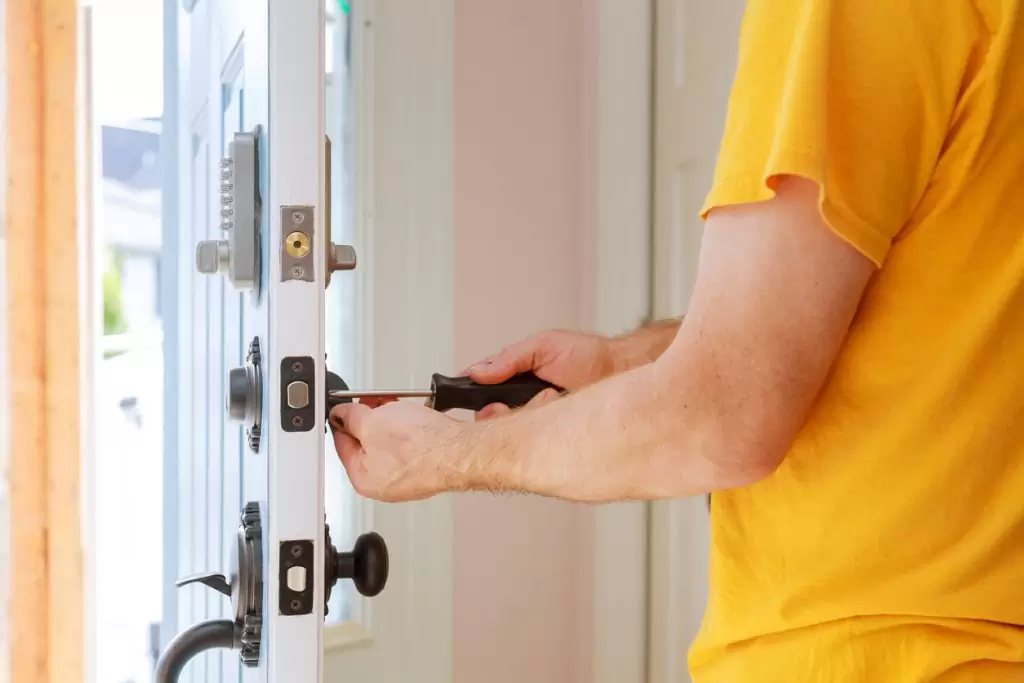
How to reduce the chance of another broken key
Address stiffness early instead of applying more effort each time. Use a sound, correctly supplied key and retire one that is bent, cracked or unreliable. If different household keys behave differently, mention that when asking for advice.
Use the handle or designated pull to move the door. Follow the correct locking sequence rather than trying to turn the key before the mechanism is ready. Ask the installer to demonstrate operation if the handle and key sequence is unfamiliar.
Keep maintenance specific to the product. For example, ERA provides key-care and maintenance instructions for particular cylinders. Do not assume that a recommendation for one model applies to every lock, or that extra lubricant will repair wear or misalignment.
After the work, keep the model details, invoice and any key-ordering information. A record of what was repaired helps if symptoms return. For wider concerns about doors and other access points, consider a Home Security Check.
Frequently asked questions about a broken key in a lock
Can I use a spare key while the fragment is inside?
Do not insert a spare into the blocked keyway. Operation from the opposite side depends on the particular cylinder and fragment position, so do not assume it will work. Explain the situation and obtain advice rather than applying force.
Does a broken key mean someone tried to break in?
Not by itself. Wear, damage and resistance during ordinary use can cause a key to fail. If there are separate signs of tampering or fresh damage, mention them and consider whether the incident should be reported to the police.
Is this the same as lock snapping?
No. A broken key is damage to the key itself. Lock snapping refers to an attack on a vulnerable cylinder body. Our What Is Lock Snapping? article explains that separate issue.
Can the broken key be copied?
Sometimes the pieces can assist a key specialist, but the available solution depends on the key type and condition. A sound spare or authorised code may be more useful. Restricted systems can require the appropriate ordering permission or documentation.
Will my home insurance pay?
Check your own policy or ask the insurer. Cover, limits and any excess vary, so do not assume a broken key is included. Keep an itemised invoice if you intend to ask about a claim.
How long will removal take?
There is no dependable fixed time for every lock. Access, fragment position, damage and the need for further repairs all affect the job. Ask for an assessment and an explanation of any change in scope.
Get help with a broken key in a lock
Stride Lock & Key can help homeowners in Horley, Reigate, Redhill, Crawley and surrounding areas discuss extraction and repair options. Contact us with your access situation and lock details, or browse our Knowledge Centre for more practical guidance.