
Target hardening means making a property or item more resistant to crime through physical security improvements. For a home, that may involve suitable locks, stronger fixing points, repaired doors and secure outside storage. The useful question is which change will address a real weakness in your property.
You do not need to turn your home into a fortress. Start with dependable everyday operation and choose improvements that remain practical for the household. This guide explains how to prioritise the work, assess doors and windows, and combine physical protection with sensible routines.
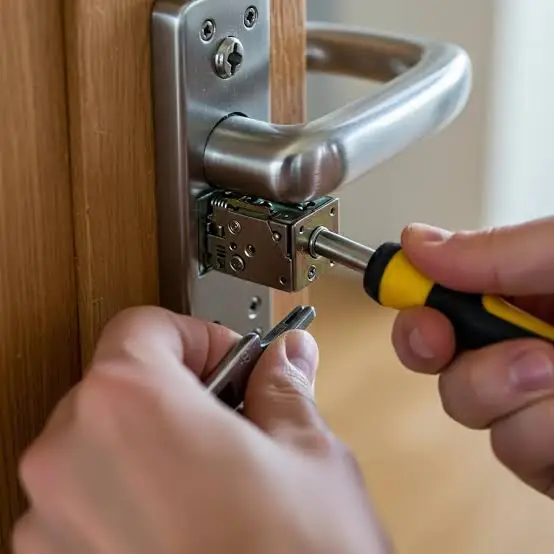
What is target hardening in home security?
Secured by Design includes target hardening among its crime-prevention principles. In practical terms, it concerns strengthening something that could otherwise be damaged, entered or stolen. It is one part of a wider approach to reducing opportunities for crime.
A repair can be just as relevant as a new product. Restoring a door that does not lock properly may offer a clearer benefit than adding equipment while the original fault remains. The condition of the installation matters alongside the rating on a component.
A stronger lock is also only part of an assembly. It relies on suitable furniture, fixing points and supporting material. Think about how the parts work together rather than assuming a single highly rated item makes the entire entrance secure.
Start with a walkthrough, not a shopping list
Use our Home Security Checklist to review the property from normal, safe positions. Note doors or windows that cannot be secured reliably, visible damage and hardware whose specification you cannot identify. Avoid testing strength with force or dismantling unfamiliar fittings.
Separate immediate problems from planned improvements. A door that will not lock needs prompt attention; an optional upgrade to suitable working hardware can be considered more deliberately. This keeps your budget focused on the condition of your home.
Write down what each proposed change should achieve. For example, you may need reliable locking at a back door, clearer control of spare keys or better protection for stored tools. Specific aims make it easier to compare options and assess whether the work has helped.
Strengthen the complete door installation
Check the door and frame
Look for visible splits, loose fittings or deterioration around the lock and hinges. A damaged frame can undermine otherwise suitable hardware. Police.uk’s door-security guidance considers the door, frame, locks and reinforcement together.
For some timber installations, compatible reinforcement may be appropriate. The installer should establish whether it suits the existing structure and how it will be fixed. Do not assume that adding a metal fitting to weak material provides its intended benefit.
Resolve alignment and operating faults
A door should close and lock without unusual force. Repeated pushing, lifting or slamming suggests a problem worth investigating. Our Why Is My uPVC Door Hard to Lock? guide explains why resistance may come from alignment or the mechanism.
Avoid moving keeps or hinges at random to make the handle feel easier. Proper engagement and smooth operation need to be checked together. A change that reduces resistance can still leave the locking points meeting their keeps incorrectly.
Retain suitable components
Target hardening does not mean replacing everything. Where the door and hardware remain appropriate, a focused repair or compatible upgrade may be enough. Ask the installer to explain which parts need work and which can sensibly remain.
Choose locks that address the actual requirement
The right specification depends on the door and its use. A traditional timber mortice lock and a euro cylinder in a multipoint system are different arrangements. Our Best Locks for Front Doors guide compares the main considerations.
For a vulnerable euro-cylinder installation, suitable tested protection may be relevant. Our Anti-Snap Locks Explained article covers recognised options and why dimensions, orientation and protective furniture matter. A label alone does not confirm a correct installation.
If a standard is mentioned in your policy or quotation, identify precisely what it applies to. Our BS3621 Explained guide covers a common lock-assembly standard. Ask your insurer to clarify its requirements rather than treating every security marking as interchangeable.

Review accessible windows and secondary entrances
Include ground-floor windows, patio doors and openings above reachable structures. Police.uk’s window advice highlights access using nearby objects such as bins and garden furniture. Look at the surrounding layout as well as the window itself.
Check whether the opening closes and secures normally. Loose handles, damaged fittings or uncertainty about the lock type deserve assessment. Do not assume every window needs the same additional hardware or that a partly open position offers equivalent protection to locking it closed.
Where replacement or reinforcement is proposed, check compatibility with the whole opening. Glass, frame, fittings and installation all affect the result. A specialist should explain the purpose and limits of any proposed glazing or security-film option.
Preserve necessary ventilation and escape arrangements. Additional bolts, restrictors or bars can affect how an opening is used. Select products around the building and occupants rather than fitting a barrier simply because it appears stronger.
Gates, boundaries and outside storage
Review gates and damaged boundary sections, considering both normal access and security. Changes should allow the household to use the property safely. Check relevant permissions or restrictions before substantial alterations, particularly in shared or managed areas.
Sheds and garages may contain valuable items as well as tools. The Metropolitan Police’s garden guidance recommends securing storage and keeping tools from being left around. Assess the door, hinges and supporting material alongside the lock.
A stronger padlock will not compensate for a deteriorated door or unsuitable fixing. If valuable items need additional protection inside storage, choose an appropriate arrangement for those items and the structure. Follow any specific insurance requirements rather than assuming one locked door covers everything.
Put equipment away after use and keep access routes manageable. Avoid creating hazards in the name of security. Ordinary maintenance can support a more dependable boundary without introducing fittings that could injure occupants or visitors.
Control keys and everyday access
Physical protection has limited value if unwanted key access remains. Review who holds keys after a move, lost key or change of occupants. If the history is uncertain, discuss whether changing the keyed component would provide useful control.
Keep spare keys securely rather than hiding them near the entrance. If a trusted person needs access, agree how keys are handed over and returned. Record temporary arrangements so they do not become permanent simply because they were forgotten.
Choose internal operation to suit the household. Ease of use, accessibility and escape requirements matter alongside resistance to intrusion. A lock that regular users struggle to operate may be left unsecured or used incorrectly, undermining the intended improvement.
Where do alarms, lighting and CCTV fit?
These measures serve different purposes from strengthening a door or window. Lighting helps visibility, an alarm detects specified events and cameras may provide useful footage. They can complement physical security but do not repair a failed lock.
Our Home CCTV Explained guide covers placement, recording and privacy considerations. Start with the problem you want equipment to address and confirm its limitations. More notifications or a wider camera view do not automatically mean more useful protection.
Pair equipment with a practical response arrangement. Know who receives alerts, how authorised users operate the system and what happens during an outage. Keep maintenance and account access current instead of assuming the system will remain dependable without attention.
Keep escape and normal use central to the plan
A security improvement must not create an unsuitable barrier to leaving the home. Consider children, older occupants, visitors and anyone with difficulty using keys or handles. Obtain competent advice where a change affects an essential exit or a fire door.
For flat entrances and shared routes, involve the responsible landlord or managing agent where appropriate. Do not alter a fire door or communal system solely on the basis of a domestic product recommendation. The complete installation and its required function need consideration.
After work, ask for the opening and locking sequence to be demonstrated. Every regular user should understand the arrangement. Include checking normal release in the handover rather than concentrating only on how securely the hardware closes.
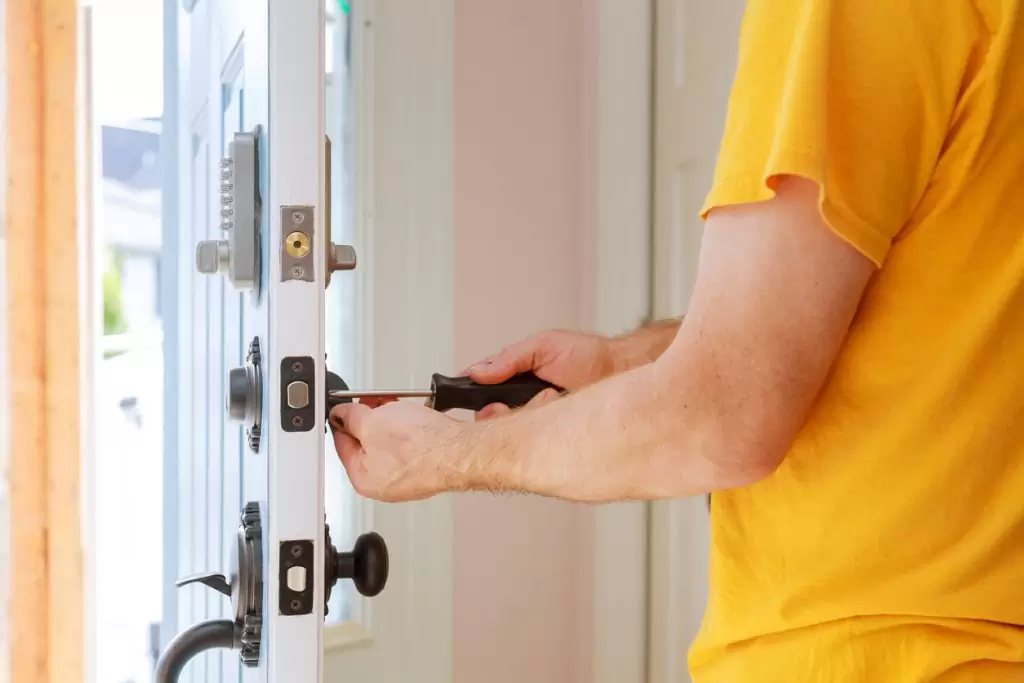
A practical order for target hardening work
First: restore reliable security
Prioritise openings that cannot be secured, damaged hardware and faults that threaten usable access. Our Lock Repairs service can help assess these. If the property cannot be secured or an essential exit is unusable, discuss urgent help through our Emergency Locksmith service.
Next: address verified weaknesses
Consider improvements supported by an inspection, such as a suitable lock specification or repair to surrounding material. Our Lock Upgrades service can help with appropriate hardware changes. Ask what evidence supports the recommendation and what benefit to expect.
Then: add useful supporting measures
Once basic operation is sound, consider equipment or other changes around the property’s remaining needs. Use a realistic budget and account for maintenance. An improvement that can be maintained and used consistently is more useful than a complicated arrangement nobody understands.
Questions to ask before agreeing to work
Request a clear description of the problem, proposed solution and total price. Confirm the exact components, relevant specifications and any structural work involved. Ask whether an alternative repair would meet the same need and why one option is preferred.
Check product and workmanship terms, maintenance instructions and whether any registration is needed. Keep an invoice and model details. Where a fault occurs intermittently, describe its usual trigger so the assessment does not rely only on one successful operation during a visit.
A planned Home Security Check can help you prioritise. Keep a short record of the issue, agreed action and completion, then review the result. There is no need to invent a percentage improvement when the useful outcome is a specific, verified change.
Target hardening FAQs
Does target hardening make a home burglar-proof?
No. It aims to increase resistance and reduce opportunities, not eliminate all risk. Hardware, fitting, condition and daily use work together. Avoid treating any single product as a guarantee.
Is it only useful after a burglary?
No. A planned review can identify faults and uncertain specifications before an incident. After a burglary, immediate repairs and evidence considerations may need attention first, with a wider review arranged afterwards.
Do I need to replace my front door?
Not automatically. Some installations benefit from a focused repair or compatible upgrade. Significant damage may justify wider work, but the assessment should establish that rather than assuming replacement from the outset.
Can tenants make improvements?
Everyday checks and reporting faults are useful. Discuss proposed alterations with the landlord or managing agent, particularly where shared access, fire doors or the building structure are involved.
Should I spend the whole budget on a better cylinder?
Only if that matches the assessed need. A cylinder may be one useful improvement, but other faults or access points may deserve priority. Review the property before committing the full budget to a single component.
How often should I review the work?
Follow product maintenance instructions and revisit the arrangement after damage, building work or changes in access. Investigate new stiffness or loose fittings promptly. A security installation needs to remain suitable as well as work on fitting day.
Get help prioritising physical security improvements
Stride Lock & Key helps homeowners in Horley, Reigate, Redhill, Crawley and surrounding areas discuss suitable lock repairs and upgrades. Contact us about the concerns you have identified, or visit our Knowledge Centre for more practical home-security guidance.