
How many keys could still exist for your home? Unless access has been carefully controlled from the start, there may be no reliable way to know. The keys handed over when you move show what you have received, but they do not prove that every other copy has been collected.
That uncertainty does not mean a previous occupant has bad intentions. Spare keys are shared for ordinary reasons, then forgotten. This guide explains what you can establish, what a lock inspection cannot tell you, and how to make sensible decisions about access to your home.
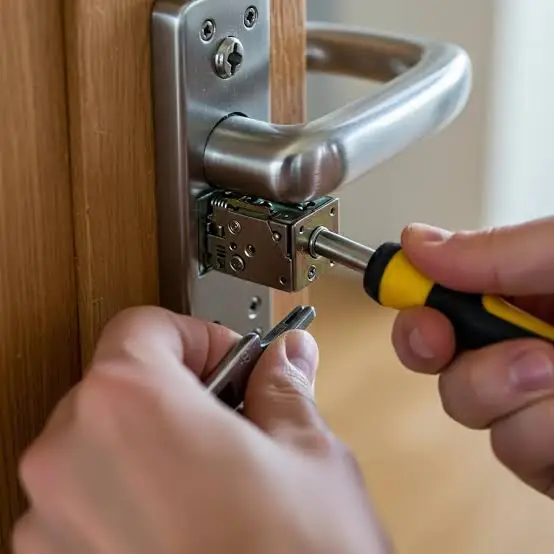
How many keys could still exist after a house move?
There is no dependable number that applies to every property. One household might have kept two keys throughout its occupancy; another might have arranged extras for relatives, neighbours and regular visitors. The age of the house does not reveal how long the current lock has been fitted.
Receiving three keys therefore does not establish that only three were ever made. Equally, receiving a large bunch does not prove that strangers still hold working copies. The useful question is whether you have enough information to be comfortable with the current access arrangements.
Our guide to changing locks after moving house explains the replacement decision in more detail. For the wider handover process, use our Moving House Security Checklist.
Who might have received a spare key?
Family, friends and neighbours
A previous household may have given someone a key for emergencies, school pickups or feeding a pet. When circumstances change, that key can remain in a drawer for years. Even a careful seller may not remember every arrangement made during a long period of ownership.
People providing regular help
Cleaners, carers, dog walkers and other helpers may have needed agreed access. The important point is whether those arrangements ended and the keys were returned. You do not need to assume wrongdoing to recognise that a property’s access history may be incomplete.
Earlier occupants and temporary arrangements
Keys may also have been supplied during earlier tenancies, building work or periods when someone looked after the property. A present occupant can only explain what they know. Their own handover may have been incomplete, leaving gaps that cannot now be resolved simply by asking.
Can a locksmith tell how many copies were made?
For an ordinary mechanical household lock, inspecting the cylinder or a working key does not reveal a complete copying history. The lock does not keep a record each time another key is cut. Wear, appearance and the number of keys supplied are not a dependable substitute for that information.
A locksmith can assess the lock’s type, condition and replacement options. They can explain whether a particular system has controlled key ordering. They cannot honestly promise to identify every unknown copy of an ordinary key simply by examining your door.
This matters when comparing advice. A useful assessment separates what is visible and verifiable from what remains uncertain. “The lock works well” and “only your household can unlock it” are different statements; the first does not establish the second.
Does collecting the old spare keys solve the problem?
Collecting known spares is worthwhile. Ask who held keys and record what has been returned. It may resolve an everyday arrangement, such as a neighbour retaining a key after helping with a move. However, collecting the known keys cannot establish that no further copies were made.
Avoid turning the handover into an accusation. A straightforward request for all keys, fobs, remotes and access information is more useful. If the history remains unclear, decide how to manage that uncertainty rather than repeatedly seeking a guarantee nobody can realistically provide.
The Police Service of Northern Ireland’s house-security advice recommends changing locks if you think other people may have copies. The purpose is to control future access, not to make a judgement about previous keyholders.

How can you stop previous keys working?
Replace the relevant keyed component
On a suitable door, changing the cylinder can provide a new key combination while retaining serviceable surrounding hardware. Other lock types need a different approach. The correct work depends on the installation, its condition and whether you also want to improve its security specification.
Our Euro Cylinder Locks Explained guide introduces a common component. Ask what will be replaced, which entrances are included and how many new keys are supplied. A new front-door cylinder will not change access through an untouched back-door lock.
Ask whether rekeying is suitable
Some locks can be rekeyed so that their working key combination changes without replacing the complete lock. Suitability and cost depend on the design, available parts and condition. Rekeying is not an option to assume for every household lock, and it does not automatically improve resistance to physical attack.
Whichever approach is chosen, ask the locksmith to confirm the intended result: the previous keys should no longer operate the altered lock. Do not confuse having extra keys cut with changing access. Extra copies of the existing key leave the old copies usable.
Should you improve security at the same time?
Changing who can use a lock and improving the lock’s resistance to attack are related decisions. A replacement gives an opportunity to consider both. A sound door might only need a suitable keyed component; damaged mechanisms, poor alignment or unsuitable fittings may require additional attention.
Police.uk’s door and window lock advice recommends a TS007 three-star euro cylinder when replacing this type of cylinder. The specification still needs to suit the door and the rest of its hardware. Our Anti-Snap Locks Explained guide covers the options.
Discuss compatibility, normal operation and escape requirements before altering a door. For flats, shared entrances and fire doors, involve the appropriate building contact where needed. Our Lock Upgrades service can help you consider suitable improvements alongside a change of key access.
What about restricted keys and security cards?
Certain key systems use controlled ordering processes, which may include an authorisation card or registered account. These can make routine duplication more controlled than it is for a standard unrestricted key. The precise protection depends on the system and its current manufacturer arrangements.
Do not assume a key marked “do not copy” proves that copying is impossible. Ask how replacement keys are authorised, who controls the account or card, and what happens when the property changes hands. An ordering record can be useful, but should not be presented as proof that every physical key is accounted for.
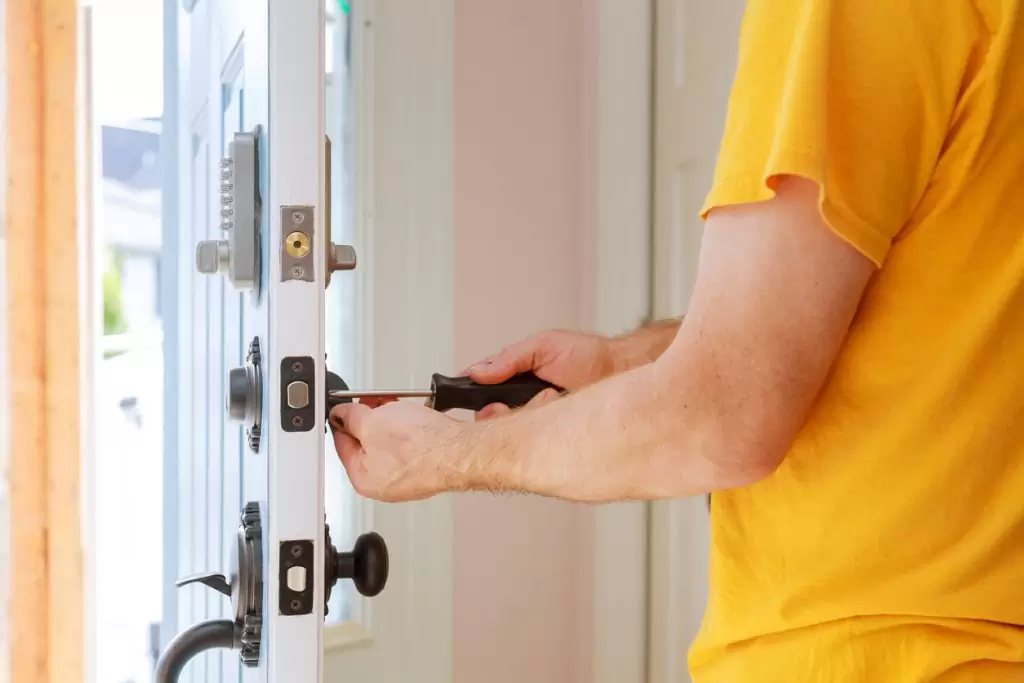
Include every entrance in your access review
List front and rear doors, side entrances, garages and outbuildings. Identify which keys work where, without forcing unfamiliar locks. If one key operates several doors, tell the locksmith: changing only one lock leaves the old key usable at the other unchanged entrances.
In a flat, your own door and the communal entrance may have separate arrangements. Report an unaccounted-for communal key or fob to the managing agent or responsible organisation. Do not arrange alterations to a shared access system without the appropriate authority.
Remember non-key access too. A physical lock change does not remove alarm codes, garage remotes or access through connected devices. Ask the relevant installer or provider how to transfer control and remove old permissions. Record these as separate tasks so they are not overlooked.
Agree the scope before work begins
Before a visit, make a short list of the entrances involved and any keys that are missing. Photographs of the door and visible lock fittings can help an initial discussion, but avoid sending clear photographs of key cuts or confidential security cards. The installer may still need to inspect the door before confirming suitable parts.
At completion, ask for a demonstration of normal locking and unlocking. Confirm the supplied key count, identify which doors each key operates and keep the product information. This gives your household a clear starting point for managing access from that day onwards.
Keep a simple record of new spare keys
Once access has been reset, start a private record of the keys supplied and who holds each spare. Keep it simple: the door, the holder and the date issued or returned are usually enough. Avoid attaching your full address to a portable keyring.
Review the record when household arrangements change. Recover keys after temporary access ends and agree how a lost key should be reported. Keep spares secure rather than relying on an outdoor hiding place. A record helps organise known keys; it does not make an unrestricted key impossible to copy.
If a key goes missing, consider the circumstances, including whether it can be linked to your address. Discuss changing access when there is a concern. If you are locked out, our Emergency Locksmith service can assess access options and any replacement work required.
Frequently asked questions
How many keys could still exist if I received all the originals?
Unknown copies may still exist. Being given the original supplied keys does not prove that nobody arranged duplicates later. There is no reliable universal estimate; the decision depends on the access history you can establish and whether you want to reset it.
Does a working key prove the lock is secure?
It proves that the key can operate the lock, not who else can do so or how well the installation resists attack. Access history, physical condition and security specification each need separate consideration. A working lock can still be due for a change of keys.
Can I just replace the door handles?
Changing handles alone normally leaves the existing key combination unchanged. To stop old keys working, the appropriate keyed component must be changed or suitably rekeyed. Ask the locksmith to identify that component and explain what each proposed part of the work achieves.
Do I need to change every lock immediately?
The priorities depend on which entrances the unaccounted-for keys operate and the property’s condition. Review external access as a whole and explain urgent concerns when booking. A phased approach should make clear which old keys will remain usable until further work is completed.
What if I rent my home?
Check the tenancy arrangements and discuss proposed work with your landlord or managing agent. Explain missing keys or concerns promptly, and establish who can authorise the work. Shared access and building requirements may also affect the suitable solution; do not assume the same arrangement applies everywhere.
Can you tell me the price before replacing anything?
Explain the number of doors, the lock types if known, and what you want to achieve when enquiring. Our Locksmith Cost Guide explains call-out charges, labour, parts and the eligible cardholder labour discount. The work required and selected components determine the overall price.
Get help taking control of your home’s keys
Stride Lock & Key helps homeowners in Horley, Reigate, Redhill, Crawley and surrounding areas assess lock changes and security improvements. Contact us about your key concerns or arrange a Home Security Check to review the wider property. Visit our Knowledge Centre for more practical guides.