
Non-destructive entry means gaining authorised access without deliberately damaging the lock, door or surrounding hardware. Where suitable, it can allow existing components to remain in use and avoid unnecessary replacement. It is an approach to assess, not a guarantee that every locked door can be opened without damage.
For homeowners, the important questions are whether the method suits the situation, what its limits are and what happens after access is restored. This guide explains the customer-facing process without providing instructions for bypassing locks. It also covers quotations, access checks and when repair or replacement may still be needed.
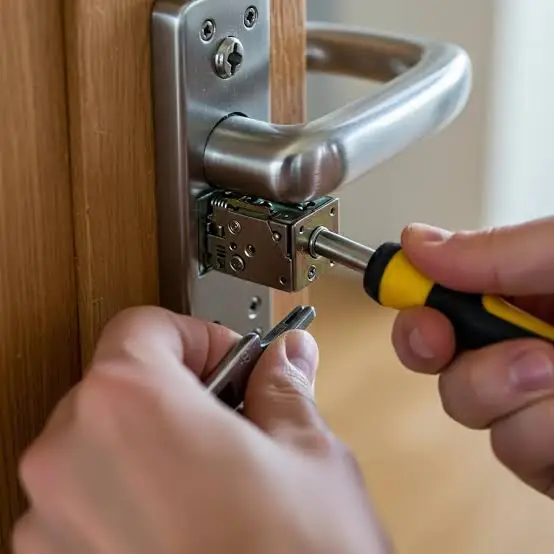
What does non-destructive entry involve?
A locksmith first considers the door, lock arrangement and reason access has been lost. They may use specialist knowledge and equipment to open a suitable installation while preserving its components. The exact approach depends on what is fitted and how it is functioning.
The term describes the intended effect on the hardware, rather than one universal technique. A working lock that has latched shut and a mechanism that has failed internally are different problems. The assessment should account for that difference before work begins.
Ask the provider what they mean by non-destructive in your case. If the approach is expected to preserve the cylinder but another component already needs repair, that should be explained. Regaining entry without deliberate damage does not mean every existing part is sound.
When might non-destructive entry be suitable?
Keys left inside a serviceable home
A door may have closed while the keys were indoors, with no underlying fault. Depending on its security arrangement, an appropriate non-destructive approach may be available. Tell the locksmith whether you also turned a key to secure a separate lock before leaving.
Before booking opening work, consider whether an authorised keyholder can provide a working spare. Our Locked Out of Your House? guide covers those first steps and the information that helps when arranging assistance.
A lost key without an obvious mechanism fault
Where the lock remains serviceable, gaining access without deliberate damage may be possible. However, whether to retain the same keyed access is a separate decision. If a missing key could be linked to your address, explain that concern when discussing the work.
Certain accessible key or operating problems
Some problems may be resolved while preserving suitable hardware, but the outcome depends on the condition and cause. A locksmith should assess the fault rather than assume every difficult key requires a replacement cylinder or that every fragment can be removed cleanly.
If a key has broken, our Broken Key in a Lock article explains immediate precautions. Avoid pushing anything else into the blocked keyway or using the remaining piece to force movement before an assessment.
Why is non-destructive entry not always possible?
Locks vary in design and resistance, and some installations have additional security components. Internal damage can also prevent the normal movement on which a particular opening approach depends. The available options cannot always be established from a brief phone description.
A failed multipoint mechanism may hold several points engaged even while the key turns. The problem is then more than a missing key. Our Why Won’t My Door Open? guide explains why apparent unlocking does not establish that the entire door has released.
Previous attempts can change the situation too. Bent components, glue, broken tools or other damage may complicate the work. Tell the locksmith what has been tried so the assessment reflects the current condition rather than how the problem originally began.
Our Can a Locksmith Open Any Door? article covers the wider limits of opening services. A realistic explanation of those limits is more useful than an absolute promise made before the installation has been examined.

How does it differ from destructive entry?
Destructive entry deliberately damages a component as part of gaining access. That may mean a replacement is needed before normal security can be restored. The affected part and extent of work depend on the method and installation; it does not automatically mean replacing the whole door.
There are circumstances where such work may be appropriate. The Master Locksmiths Association’s consumer guidance warns against an unexplained immediate assumption that drilling is required, while acknowledging that it can sometimes be necessary.
Ask why the proposed approach is suitable, what it will affect and what replacement work is included. If the scope changes after assessment, have that change explained before proceeding. The presence or absence of a drill alone does not tell you whether the overall decision is sound.
What should happen before opening work starts?
Your authority to access the property is checked
Expect the locksmith to establish that the requested access is authorised. Explain your connection to the property and ask what evidence is needed. If identification or relevant records are locked inside, mention that during the initial enquiry.
The appropriate verification can depend on the circumstances. Do not assume that one document always suffices or that access checks will be skipped because the lockout is inconvenient. Where access is disputed, relevant confirmation or advice may be needed before any opening work.
The situation and hardware are assessed
Describe the door, visible locks and what happened immediately before the problem. Mention whether the key turns, whether the handle moves normally and whether anyone is inside. These details help distinguish a straightforward lockout from an operating fault.
An overall photograph can support identification if requested, but it cannot show every internal issue. Avoid publicly sharing detailed key-blade images or security codes. There is no need to dismantle a lock to obtain information for the first call.
The proposed work and charges are explained
Ask what the quotation covers and which elements remain subject to inspection. Opening, replacement parts and repairing an existing fault can be separate items. Confirm how additional labour or a change in approach would be discussed and agreed.
Does non-destructive entry always cost less?
Retaining serviceable components can avoid replacement-part costs, but the method does not automatically determine the whole bill. Labour, attendance and the particular difficulty still matter. A careful opening that takes time should not be judged only against the price of one new cylinder.
Our Locksmith Cost Guide explains Stride Lock & Key’s call-out bands, hourly labour range, one-hour minimum and separate parts charges. It also explains the 10% labour discount for Blue Light Card and Defence Discount Card holders.
Request a quotation for your actual situation rather than assuming an advertised starting price covers everything. The MLA’s advice on choosing a locksmith provides independent guidance on comparing providers and quotations.
How long does a non-destructive opening take?
There is no fixed time that applies to every door. Hardware identification, authority checks, the condition of the lock and the opening itself all form part of the visit. A provider should distinguish its arrival estimate from an estimate for completing the work.
Ask what happens if the initial approach is unsuccessful. Continuing indefinitely is not necessarily the appropriate choice, especially where damage or a failed mechanism limits the options. The next step should be assessed and explained rather than assumed.
Do you keep the same lock and keys afterwards?
If the hardware remains suitable and serviceable, it may be retained. After a simple lockout with keys safely indoors, there may be no reason to change access. Confirm normal operation before returning the door to everyday use.
If keys are missing, changing the keyed component may still be sensible even after damage-free opening. That decision addresses access control, not the opening method. Ask which old keys would continue to work and what a proposed replacement would change.
If the lock was already unreliable, further repair may be needed. Our Lock Repairs service can help establish the cause. Our Lock Upgrades service covers improvements where a different specification is appropriate, without assuming every lockout needs new hardware.
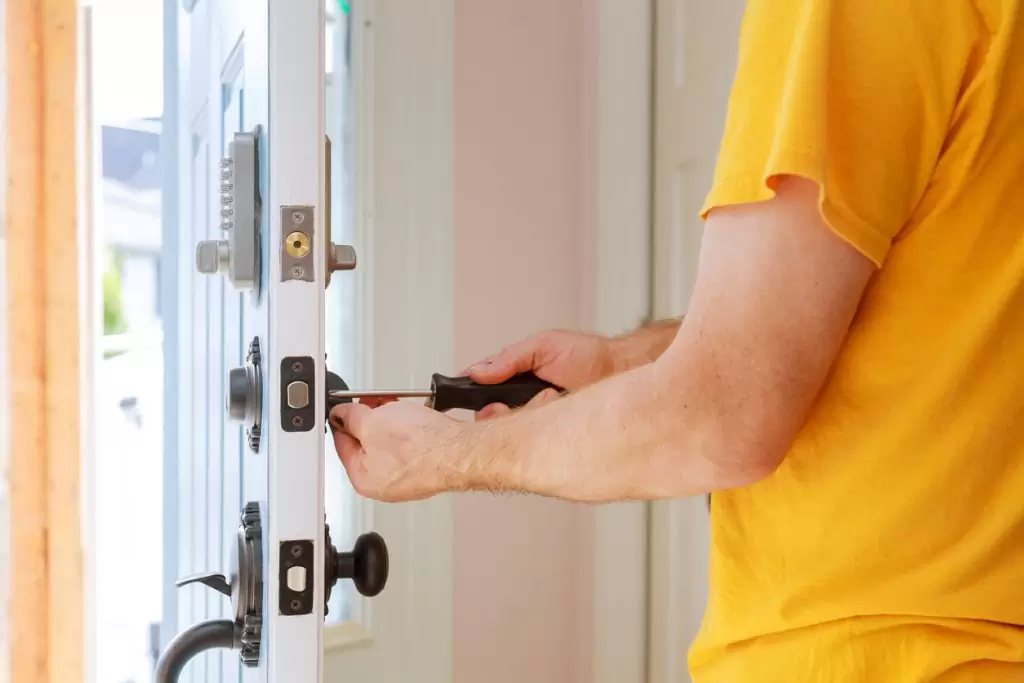
Check the complete door after access is restored
Ask for opening, closing and locking to be demonstrated, including the internal release. Try the retained or supplied keys. If the original fault occurred intermittently, describe its usual pattern so the assessment is not limited to one successful operation.
The cylinder, connected mechanism and door fit all matter. Our Euro Cylinder Locks Explained article describes those separate components. A cylinder that turns freely does not prove that every latch or locking point works correctly against the frame.
For a flat entrance or fire door, any repair or alteration needs to preserve the required function and suitable escape arrangements. Involve the landlord or managing agent where appropriate. Keep the invoice, component details and any agreed follow-up work.
What should you do while waiting for help?
Stay somewhere safe and keep your phone available. Avoid climbing, forcing the handle or inserting improvised tools into openings. These actions can cause injury or make preserving the existing hardware more difficult.
If a trusted keyholder resolves the situation, tell the booked provider promptly and check any agreed attendance or cancellation terms. If the access situation changes, such as someone inside needing urgent help, update the provider rather than assuming the original assessment still applies.
If someone is in immediate danger, contact the emergency services. For an urgent lock problem without immediate danger, our Emergency Locksmith service can help assess the required response. Explain whether the property is secure and whether an essential exit is affected.
Non-destructive entry FAQs
Does it mean the lock is insecure?
Not automatically. A professional assessment and authorised opening do not by themselves establish the lock’s overall suitability. Security depends on the exact product, installation and use. Ask for a separate assessment if you have concerns about protection.
Can it be guaranteed before the locksmith arrives?
Not for every situation. A description or photograph may help, but hidden faults and the complete locking arrangement can affect the options. Ask what is expected and what remains uncertain rather than relying on an unconditional promise.
Is it the same thing as lock picking?
No. Non-destructive entry describes an intended outcome rather than a single technique. The appropriate professional approach depends on the door and lock. Customers should ask about the expected effect and cost rather than prescribe a method.
Does a broken mechanism always require a new door?
No. A compatible component repair or replacement may be possible where the door remains suitable. The fault and surrounding condition should be assessed before deciding on wider work.
Should I insist that drilling is never used?
Ask for non-destructive options to be considered and for any destructive work to be explained. An absolute ban may prevent an appropriate solution in some cases. Understand the alternatives and likely replacement requirements before agreeing.
Will insurance cover an opening?
That depends on your policy and assistance arrangements. Check what is covered and whether authorisation or a particular booking route is required. Do not assume that a particular opening method guarantees reimbursement.
Discuss suitable entry options with Stride Lock & Key
For domestic lock problems in Horley, Reigate, Redhill, Crawley and surrounding areas, contact Stride Lock & Key with your access situation and visible lock details. A planned Home Security Check can help with wider concerns. Visit our Knowledge Centre for more practical guidance.