
Can a locksmith open any door? A suitably experienced locksmith can help with many domestic lockouts and failed locks, but no responsible assessment should promise every door will open quickly, without damage or without replacement parts. The answer depends on the hardware, its condition and the circumstances.
A door that has simply latched shut is different from one held closed by a broken mechanism. Specialist systems may require a different provider, and authority to access the property needs to be established. This guide explains those distinctions and what to ask before arranging help.
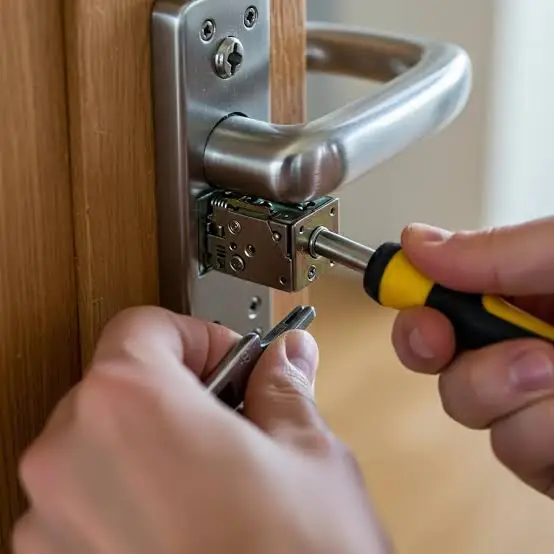
Can a locksmith open any door without damage?
Sometimes non-destructive opening is possible, meaning access can be gained without deliberately damaging the lock or door. That may allow suitable existing hardware to remain. It is an option to assess, not a guarantee that can be made for every installation.
A damaged component, additional locking device or particular security design may change the available options. If replacement becomes necessary, the locksmith should explain the reason and the proposed work. Opening the door and restoring dependable security may involve separate stages.
Be cautious about absolute promises made before the door has been assessed. Equally, ask questions if destructive work is proposed without an explanation. The appropriate approach should reflect the actual lock and fault, rather than a predetermined method for every call.
Why the type of lockout matters
A working lock with the keys inside
An otherwise serviceable door may have closed and latched while the keys were indoors. Explain whether you turned a key to secure another lock before leaving. That information can be important because latching and additional locking are not always the same operation.
Our Locked Out of Your House? guide covers immediate checks and trusted keyholders. If someone can provide a working spare through an agreed arrangement, that may resolve an ordinary lockout without opening work.
A missing or unusable key
A lost key presents an access problem and potentially a separate question about who could still enter. A damaged key may indicate a fault or simply require a suitable replacement. Tell the locksmith whether the lock was operating normally before access was lost.
A failed mechanism holding the door closed
A key may turn while bolts, hooks or a latch remain engaged. This requires investigation of the mechanism and connected components. Our Why Won’t My Door Open? guide explains why key movement does not prove that the whole door is released.
A closed-door failure can involve more work than a repair on an accessible lock. Ask how the door will be assessed, what might need replacing and how any further work will be agreed after access is gained.
Different doors require different expertise
Timber doors and mortice locks
A timber entrance may have a mortice deadlock, sashlock, nightlatch or a combination. The condition of the case, frame and other fittings matters alongside the lock type. A familiar-looking keyhole does not reveal every component fitted to the door.
Our Mortice Locks Explained article helps identify recessed arrangements, while Nightlatches Explained covers common surface-mounted designs and their operating modes. Mention separate locks and any internal securing devices when booking.
uPVC and composite doors
Many use a cylinder connected to a multipoint mechanism. The cause may involve the cylinder, gearbox, handle connection or locking strip, and it is important to distinguish these. Replacing the cylinder alone will not resolve every jam.
Our Euro Cylinder Locks Explained guide describes the components. If the door had become stiff before failing, our guide to difficult uPVC-door locking explains why alignment and pressure at the frame can also matter.
Smart locks and specialist access systems
Electronic access can introduce power, account, control-system or compatibility issues. Tell the provider the exact system if you know it. A domestic locksmith may need manufacturer support or a specialist installer for equipment outside their usual scope.
Safes, vehicle locks, industrial doors and other specialist equipment should be identified explicitly in an enquiry. Do not assume that a business offering domestic door opening also provides every other form of access work.

Does a high-security lock prevent professional access?
Security features are intended to resist attack and can affect the methods available. They do not justify a universal promise either that access is impossible or that it will be straightforward. The exact model, installation and condition determine the assessment.
If you can see a manufacturer name or rating without dismantling anything, share it when enquiring. A photograph of the overall hardware may help. Do not send detailed key-blade images or security codes publicly to demonstrate the lock type.
A lock’s resistance is separate from its suitability for a particular door. After a failure, any replacement should remain appropriate for the installation. Our Best Locks for Front Doors guide explains why fitting and the complete arrangement matter.
Will the locksmith need to drill the lock?
Not necessarily. Drilling is a destructive method and normally means the affected component must be replaced. There are situations where destructive work may be appropriate, but it should follow an assessment and explanation of the options.
The Master Locksmiths Association’s consumer guidance cautions against an unexplained immediate assumption that drilling is required, while recognising that it can sometimes be necessary. Ask why the proposed approach fits your situation.
Useful questions include what will be affected, what replacement is proposed and how the door will be secured afterwards. Do not equate any use of a drill with poor work, or assume that a damage-free method must always succeed if attempted for long enough.
Why access permission needs checking
Before opening a property, a locksmith needs to be satisfied that the requested access is authorised. Explain your relationship to the address and ask what evidence will be needed. The exact verification process can depend on the circumstances.
If identification or relevant paperwork is locked inside, say so during the first call. The provider can discuss how authority might be established. Do not assume that having the address, a photograph or one document automatically resolves every situation.
Where access is disputed, be clear about that. A locksmith appointment is not a substitute for resolving an occupancy or ownership disagreement. Appropriate confirmation or advice may be needed before work can proceed.
What information helps before a visit?
Give the location, a contact number and whether you are inside or outside. Explain whether anyone is at risk and whether another normal entrance or exit is available. Safety and access circumstances help determine the urgency.
Describe what the key and handle do separately: insertion, turning, withdrawal and movement. Mention any broken key, unusual sound or recent change. If a fragment remains, our Broken Key in a Lock guide explains why further attempts can complicate the problem.
Tell the locksmith about tools, sprays or adjustments already tried. Accurate information helps establish the current condition. Avoid forcing the handle, climbing to an opening or dismantling hardware while waiting, as these can add damage or risk injury.
How long does opening a door take?
There is no reliable universal time. Identifying the hardware, verifying authority, assessing the fault and gaining access are all part of the process. Some situations are straightforward; others need more investigation or specialist assistance.
An arrival estimate is also different from a completion estimate. Ask what is known before attendance and what requires inspection. A responsible explanation of uncertainty is more useful than a promise of a fixed opening time for an unseen door.
What will the work cost?
The total depends on attendance, chargeable labour and any parts. Our Locksmith Cost Guide explains Stride Lock & Key’s published rates, the one-hour labour minimum and the labour discount for Blue Light Card and Defence Discount Card holders.
Ask which rate applies, what the initial quotation includes and how additional work would be agreed. Opening, repairing an underlying fault and changing access after lost keys may be different elements. Do not assume an attendance fee includes every part of the completed job.
For independent advice on comparing providers and quotations, read the MLA’s guidance on choosing a locksmith. If you expect an insurer to contribute, confirm its requirements rather than relying on an assumption about reimbursement.
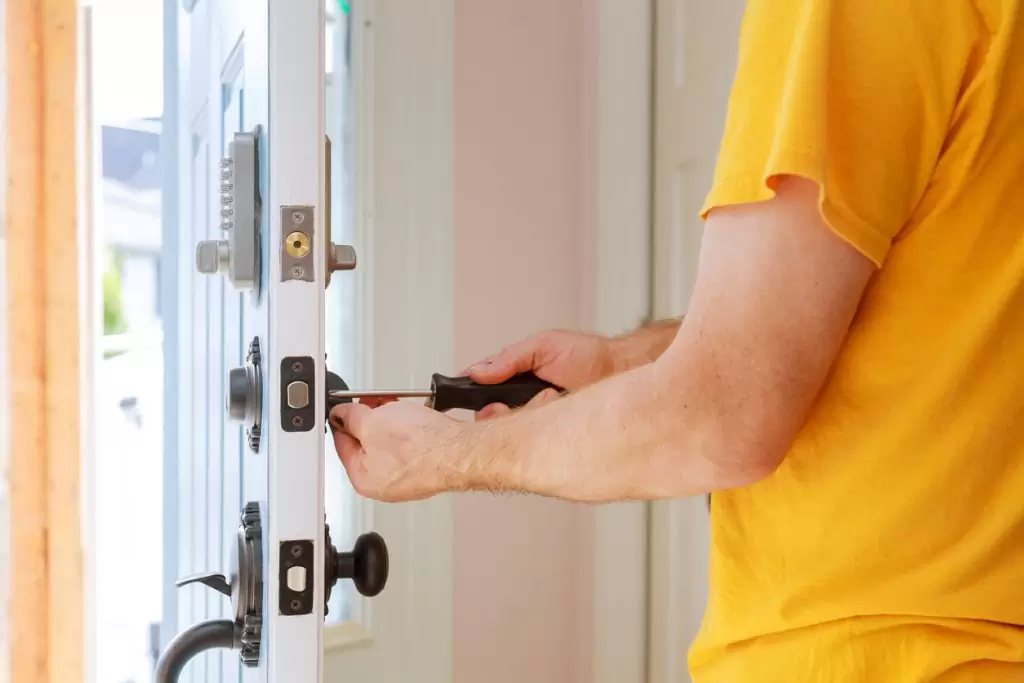
Opening the door is not always the end of the job
Once access is gained, the original fault should be assessed. A door that opens once may still be unreliable. Our Lock Repairs service can help establish whether adjustment, a component replacement or other work is needed.
Ask for opening, closing and locking to be demonstrated before normal use resumes. If suitable parts are not immediately available, understand how the property will be secured and what follow-up is required. Do not assume a temporary arrangement is the final repair.
If keys were merely left indoors, a working lock may be retained. If keys are missing or the existing specification needs attention, discuss that separately. Our Lock Upgrades service covers appropriate improvements without assuming every lockout requires new hardware.
When should you seek urgent help?
If you cannot secure the property or use an essential exit, explain that when contacting our Emergency Locksmith service. Tell us whether anyone is inside and whether alternative normal access is available.
If someone is in immediate danger, contact the emergency services rather than waiting for routine locksmith attendance. An urgent safety incident is different from an inconvenient lockout, and the response should match the circumstances.
Can a locksmith open any door? FAQs
Can a locksmith open a door without the original key?
Often that is the purpose of an authorised lockout visit, but the available method depends on the installation and condition. Explain whether keys are lost, indoors or broken so the assessment starts with the right information.
Can every door be opened without replacing the lock?
No. Some faults or opening methods require replacement components. A promise to retain every lock regardless of its condition would be misleading. Ask what can reasonably be preserved and why.
Does a broken gearbox mean I need a new door?
Not automatically. A compatible mechanism repair or replacement may be possible where the door remains suitable. The assessment should establish the fault and surrounding condition before recommending wider work.
What if my documents are inside?
Explain that before booking and ask how your authority can be verified. The provider will need a satisfactory process for the circumstances. Access checks should not be assumed unnecessary because obtaining documents is inconvenient.
Can an ordinary locksmith open a safe or vehicle too?
Specialisms vary. Describe the equipment clearly when enquiring so the provider can confirm whether they handle it or whether another specialist is needed. Domestic door-opening services do not establish expertise in every lock type.
Should I attempt to force the door first?
No. For an ordinary lockout, force can cause injury and increase the repair needed. Seek appropriate assistance. If there is immediate danger, contact the emergency services and follow their instructions.
Discuss your door with Stride Lock & Key
For domestic lock problems in Horley, Reigate, Redhill, Crawley and surrounding areas, contact Stride Lock & Key with the access situation and visible hardware details. Consider a Home Security Check for a planned review, or visit our Knowledge Centre for more guidance.